


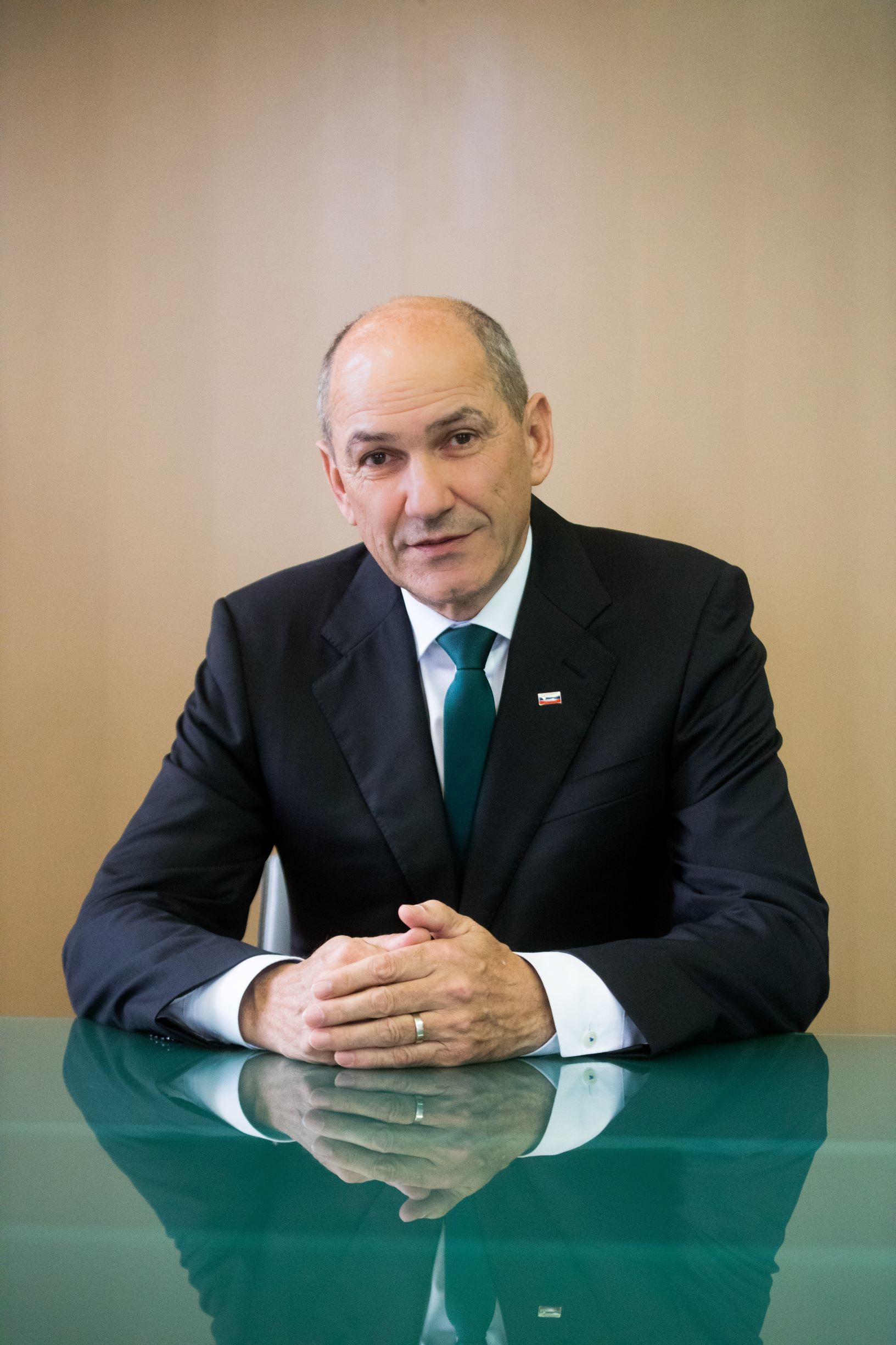
Veteran Slovenian politician Janez Janša has returned to the prime minister’s office for a fourth time, leading a new coalition government that is already facing criticism over its policies, political alliances and potential impact on the country’s increasingly polarized political landscape.
Janša, leader of the Slovenian Democratic Party (SDS), was appointed prime minister on May 22 despite his party finishing second in the March parliamentary elections behind the center-left Freedom Movement led by former Prime Minister Robert Golob.
Political analysts say Golob’s failure to secure a stable parliamentary majority created an opening for Janša, whose decades of political experience enabled him to assemble a governing coalition.
The composition of the new government has drawn significant attention, particularly due to the support of the right-wing populist party Resnica. The party is known for its opposition to vaccination policies, calls for a referendum on Slovenia’s NATO membership and skepticism toward the European Union.
Janša’s return has also revived questions about Slovenia’s future role within the EU. Given his longstanding ties with Hungarian Prime Minister Viktor Orbán, critics have expressed concern that Ljubljana could move closer to the positions adopted by some of the bloc’s most outspoken nationalist governments.
However, newly appointed Foreign Minister Tone Kaiser dismissed such concerns, insisting that Slovenia remains firmly committed to the European Union and has no intention of becoming a destabilizing force within the bloc.
Domestically, the government has proposed a package of tax cuts that unions argue could widen social inequalities and weaken public services. Civil society groups have also voiced concerns over planned legislative changes that they say could increase political influence over public institutions.
One of the most contentious issues has been a proposal to rebury victims of post-World War II reprisals, including individuals accused of collaborating with Nazi forces. Supporters describe the initiative as a humanitarian gesture, while opponents warn it risks rewriting historical narratives and equating collaborators with anti-fascist resistance fighters.
In his first address as prime minister, Janša criticized street protests and argued that political decisions should be made through democratic institutions rather than public demonstrations. The remarks recalled his previous term in office between 2020 and 2022, which was marked by frequent protests over concerns regarding media freedom, civil society and migration policies.
The government’s early symbolic moves have also attracted attention. The removal of the Palestinian flag from a government building and plans to open an Israeli embassy in Ljubljana have been interpreted by observers as indicators of the administration’s foreign policy priorities.
Supporters view Janša’s return as a source of political stability at a time of uncertainty, citing his experience and ability to build governing majorities. Critics, however, warn that his policies could deepen divisions within a society that many analysts still describe as fundamentally centrist.
For now, one thing is certain: Janez Janša has once again emerged as one of the most influential figures in Slovenian politics, and his fourth term promises to shape the country’s political debate for years to come.