



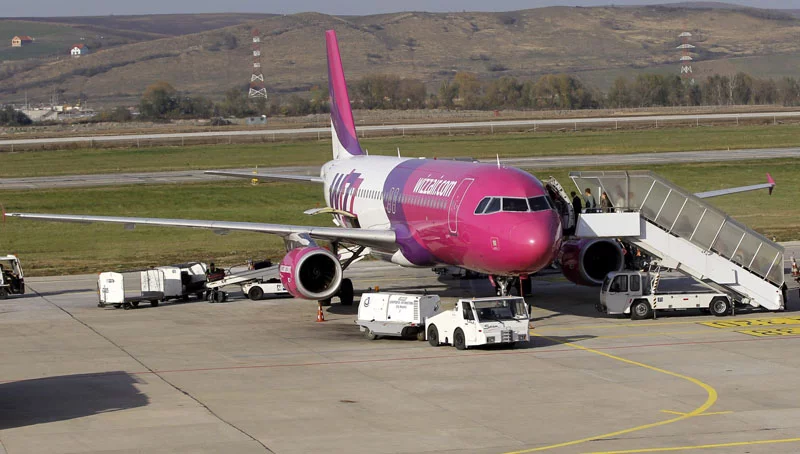
Wizz Air has warned it may shut down its operational base in Serbia after the government introduced new aviation rules that the airline says discriminate against foreign carriers and threaten its low-cost business model.
The dispute follows amendments adopted in March to Serbia’s regulations governing permits for foreign airlines operating international services to and from the country. The changes have sparked debate over whether the government is restricting competition in the domestic aviation market.
At the center of the controversy is a provision that effectively prevents foreign airlines from permanently basing aircraft and crews in Serbia.
Wizz Air, which operates a base in Belgrade with four aircraft and local crews, says the new rules place it at a competitive disadvantage and directly target its business model. The Hungarian carrier has been operating in Serbia for more than a decade and currently serves 29 routes to destinations across 10 countries.
According to the airline, the new regulation requires that flights operated by European Union carriers between Serbia and EU member states must begin from EU territory, limiting the ability of airlines to station aircraft and crews in Serbia.
Wizz Air said the measures were introduced without prior consultation or public notice and warned that maintaining the restrictions could force the company to close its Belgrade base.
Such a move would likely affect passengers through reduced flight availability and potentially higher ticket prices, while also impacting traffic at Belgrade’s Nikola Tesla Airport, operated by France’s Vinci Airports.
Serbia’s Civil Aviation Directorate rejected allegations that the rules restrict air traffic, stating that no airline has been prevented from operating flights between Serbia and the European Union or from launching new routes in line with international agreements.
The regulator said the amendments represent a legal adjustment that applies equally to all operators and are not intended to limit competition.
Wizz Air has transported approximately 14 million passengers to and from Serbia since entering the market in 2010, averaging around one million passengers annually.
The outcome of the dispute could have significant implications for Serbia’s aviation sector, particularly for travelers who rely on low-cost connections to destinations across Europe.