


For decades, Montenegro offered Russians one of the easiest gateways to the Adriatic. From luxury apartments along the Budva coast to packed summer flights from Moscow, the small Balkan state became a favored destination for Russian tourists, investors and expatriates.
That era is coming to an end.
Beginning November 1, Russian citizens will need a visa to enter Montenegro, ending one of the last visa-free travel arrangements between a European Union candidate country and Russia. The measure also applies to citizens of Belarus, China, Türkiye and Saudi Arabia as Podgorica moves to align its visa policy with European Union standards.
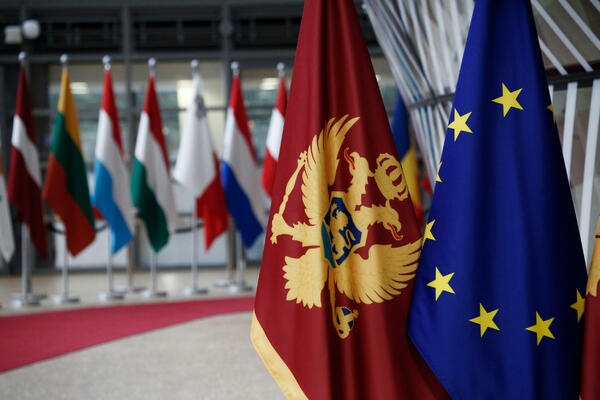
The decision marks more than a technical adjustment to border rules. It reflects Montenegro’s broader strategic choice to prioritize its European integration over long-standing economic ties with non-EU partners.
From Tourism to Geopolitics
Montenegro has long balanced competing interests. While pursuing EU membership and joining NATO in 2017, it remained economically connected to Russian capital. Russians became major buyers of coastal real estate, invested in tourism and accounted for a significant share of visitors before Russia’s full-scale invasion of Ukraine.
The war fundamentally altered Europe’s political landscape.
Since 2022, Brussels has urged candidate countries to progressively harmonize their foreign and security policies with the EU, including sanctions and visa regimes. Montenegro has largely aligned with EU sanctions against Russia, but its visa policy remained an exception.
That exception will disappear in November.
The government says the new rules are part of obligations under Chapter 24 of the EU accession process, covering justice, freedom and security.
A Carefully Managed Transition
Authorities have delayed implementation until the end of the summer tourist season.
Until October 31, citizens of Russia, Türkiye, China and Saudi Arabia can still enter Montenegro without visas under existing conditions. From November, visa requirements will apply, although exemptions remain for Russian citizens who already hold valid visas or residence permits issued by EU or Schengen countries, the United States, Canada, the United Kingdom, Japan, Australia or New Zealand.
The phased approach reflects the government’s attempt to minimize disruption to tourism while meeting EU expectations.
Türkiye Also Faces New Rules
Türkiye occupies a unique position in the new policy.
Unlike Russia and Belarus, whose restrictions are closely linked to EU foreign policy alignment, Turkish citizens continue to enjoy visa-free travel until the end of October under temporary arrangements.
Last year Montenegro already reduced the permitted visa-free stay for Turkish citizens from 90 to 30 days following security concerns raised by authorities. The latest decision confirms that Türkiye will also become subject to the broader harmonization process, although tourism considerations appear to have influenced the delayed implementation.
A Signal to Brussels
For Montenegro, the visa reform carries political significance beyond border management.
The country is widely regarded as the Western Balkan frontrunner for EU membership and has intensified reforms aimed at completing accession negotiations before the end of the decade.
Aligning visa policy removes one of the remaining areas where Montenegro diverged from EU practice. It also demonstrates to Brussels that Podgorica is prepared to make politically sensitive decisions even when they may affect tourism revenues or foreign investment.
Economic Impact Likely to Be Limited
The immediate economic consequences may be less severe than they would have been before 2022.
Russian tourism to Montenegro has already declined because of sanctions, banking restrictions and reduced air connectivity. Visitors from the European Union, the Western Balkans and other markets have increasingly replaced Russian arrivals.
Nevertheless, the new visa requirement is expected to further reduce spontaneous travel from Russia and could slow future real estate purchases by Russian nationals.
For Turkish visitors, the impact may be more modest, particularly if visa procedures remain relatively straightforward.
A Wider Regional Trend
Montenegro’s decision illustrates a broader transformation across the Western Balkans.
As EU accession negotiations deepen, candidate countries are increasingly required to harmonize policies extending beyond economics into migration, border management, foreign affairs and security.
Visa policy has become another indicator of geopolitical alignment.
For Podgorica, introducing visas is therefore not simply an administrative measure. It is another step in redefining Montenegro’s place within Europe’s political architecture—one that signals its strategic future lies firmly alongside the European Union, even at the cost of limiting access for some of its traditional partners.