


Following the Student List’s victory in Serbia’s parliamentary elections last week, questions remain over the country’s future political direction. The movement’s diverse composition and potential differences among its members make it difficult to predict the policies of the next government.
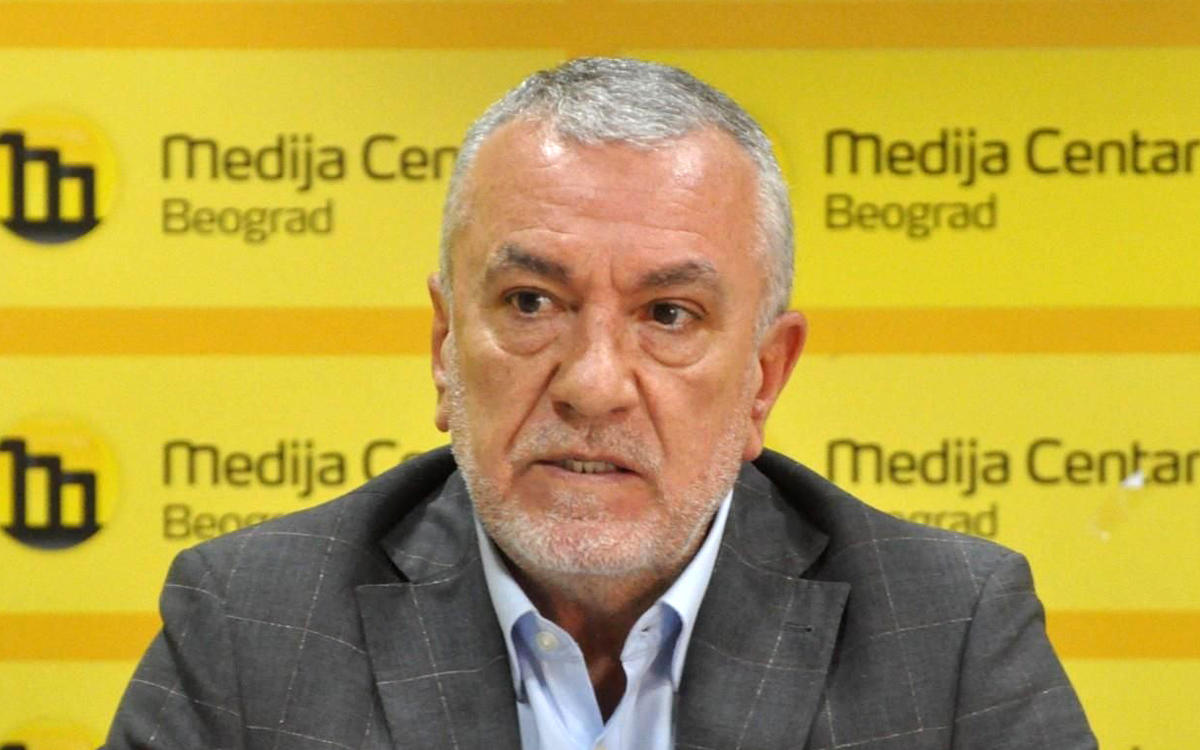
In an interview with BalkanView, Serbian journalist and political analyst Milivoje Mihajlović of the Serbian outlet “Naš Portal” said Serbia faces a difficult period of institutional reforms, efforts to tackle systemic corruption and a reassessment of its foreign policy.
He expects the new government to pursue closer ties with the European Union, improve relations with neighboring countries and adopt a different approach toward Kosovo.
Mihajlović said relations with North Macedonia should focus on institutional cooperation and a joint fight against organized crime. He also warned that the country should not become a haven for money he alleges was illicitly acquired by Serbian oligarchs.
BalkanView: What will Serbia look like after these elections?
Milivoje Mihajlović: I believe Serbia will be different after these elections. There is a great deal of work ahead of us in forming a parliament and a government. Everything that has happened in the country over the past 14 years needs to be corrected.
First and foremost, we expect a fight against systemic corruption at every level of government. Reforms are expected in the police, intelligence services and the vast state administration, all of which have served the ruling party.
Practically all state resources have been privatized by one man — Aleksandar Vučić.
The most difficult battle will be against the criminal underworld, which has penetrated every level of government.
It will be a difficult task, but I believe these young people, who have tremendous energy and determination and who managed to win the elections with virtually no resources, will succeed.
They managed to defeat a government that had all the country’s financial resources at its disposal.
BalkanView: What foreign policy approach will the new government take toward the West and the East?
Milivoje Mihajlović: Serbia’s foreign policy cannot change overnight. It will become more open toward the European Union, and this will not remain merely a matter of verbal declarations, as has been the case until now. Instead, it will seek a substantial improvement in relations with Brussels.
Serbia cannot orient itself toward China, Russia or the United States as its primary strategic direction. Above all, it will turn toward Europe, where it naturally belongs.
European laws and standards, which have already been incorporated into Serbian legislation, simply need to be implemented and respected. That will be the main direction of Serbia’s foreign policy, at least initially.
Washington has good relations with Belgrade, and the new government will seek to strengthen them further.
China has substantial investments in Serbia. It has invested heavily in the steel plant and the Bor mining complex. Trade with Beijing continues to grow, and Serbia also has Chinese loans. Therefore, this aspect of foreign policy will be determined primarily by economic interests.
As for Moscow, Serbia remains dependent on Russia in the energy sector. The oil industry and gas supplies have a major impact on Serbia’s economic stability.
To a considerable extent, these relations will depend on the Kremlin. I believe the new government will manage them in the least painful way possible.
BalkanView: How will Belgrade’s relations with neighboring countries, including North Macedonia, develop?
Milivoje Mihajlović: As far as the region is concerned, I believe the era of quarrels with neighboring countries is over. This was Aleksandar Vučić’s specialty because it helped him increase his political popularity.
The constant negative statements about neighboring countries and the promotion of hostility toward Croatia, Albanians and Montenegrins have come to an end.
The new leadership will extend a hand to all its neighbors.
It is important for Serbia to return to the international agreements governing Bosnia and Herzegovina. It must genuinely support the Dayton Peace Agreement, the arrangements between the entities and the country’s three constituent peoples, and refrain from encouraging divisions that, until now, have served only to keep Vučić in power.
North Macedonia occupies a particular position. Vučić maintained good relations with successive Macedonian governments, but the new leadership will need to build the best possible relations with the citizens of North Macedonia.
The first step should be to address the problem of marijuana smuggling between North Macedonia and Serbia.
Cooperation must be regulated by law, and there must be a joint fight against crime.
North Macedonia must not become a place where Serbian oligarchs hide money stolen from Serbian citizens.
BalkanView: What do you expect from Belgrade’s future relations with Kosovo?
Milivoje Mihajlović: As far as Kosovo is concerned, Belgrade will no longer encourage divisions.
During the election campaign, the Student List emphasized that it was fighting for respect for Serbia’s Constitution, against corruption, and to support the Serbian population in Kosovo.
I believe relations with Kosovo will improve, without secret agreements, cooperation with criminal structures or the betrayal of the interests of people living in Kosovo.
Kosovo Serbs have been victims of Vučić’s policies. They were the price paid for the survival of his government.
He established criminal structures that spread fear among Serbs, particularly in northern Kosovo.
I believe this will change.
A team of politically inexperienced people is coming to power, but they are people with sincere intentions. They oppose crime and the mafia and want to establish normal relations in both domestic and foreign policy.