


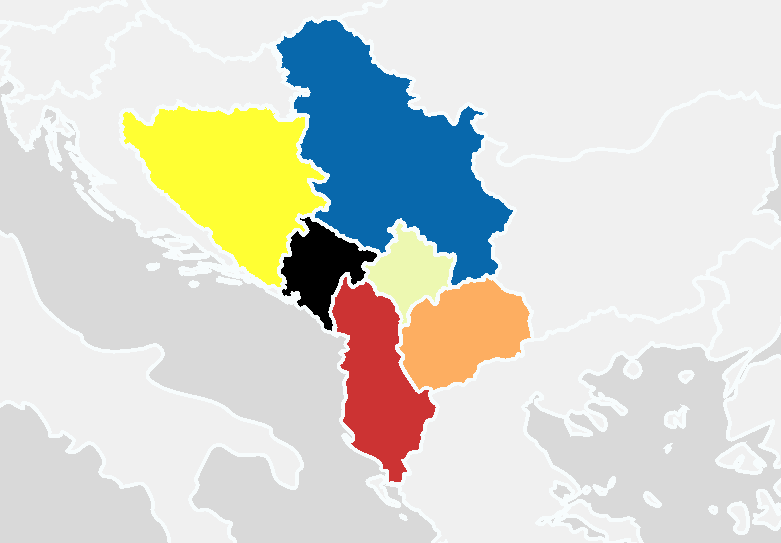
Corruption perceptions in the Western Balkans remain elevated, according to Transparency International’s 2025 Corruption Perceptions Index (CPI), released on Tuesday, with all six economies scoring below the global average and Serbia registering the lowest score in the region.
The CPI, which ranks 182 countries and territories worldwide on a scale from zero (highly corrupt) to 100 (very clean), found that weak institutions, judicial interference and shrinking civic space are contributing to stagnation or backsliding in anti-corruption efforts across Eastern Europe and the Western Balkans.
According to national and media reports drawing on the new index results, the Western Balkans rankings in the CPI 2025 are as follows:
- Montenegro: 46 points, 65th
- Kosovo: 43 points, 76th
- North Macedonia: 40 points (unchanged, 84th),
- Albania: 39 points (down from last year, 91st)
- Bosnia and Herzegovina: 34 points, 109th
- Serbia: 33 points, 116th
The regional scores show Montenegro as the highest-ranked economy in terms of perceived public sector integrity, scoring well ahead of its peers, while Serbia is perceived as the most corrupt in the Western Balkans. Overall, most countries in Southeast Europe worsened or stagnated in the latest rankings.
Transparency International’s global overview shows a decade-long decline in the average CPI score, with a global average of just 42 out of 100, driven in part by democratic backsliding and concentrated power that weakens oversight and transparency.
“Across the Western Balkans, opacity in decision-making for major projects and pressure on independent institutions are common weaknesses,” the CPI report said, underscoring challenges that could hamper efforts to attract investment and meet European Union accession standards.