



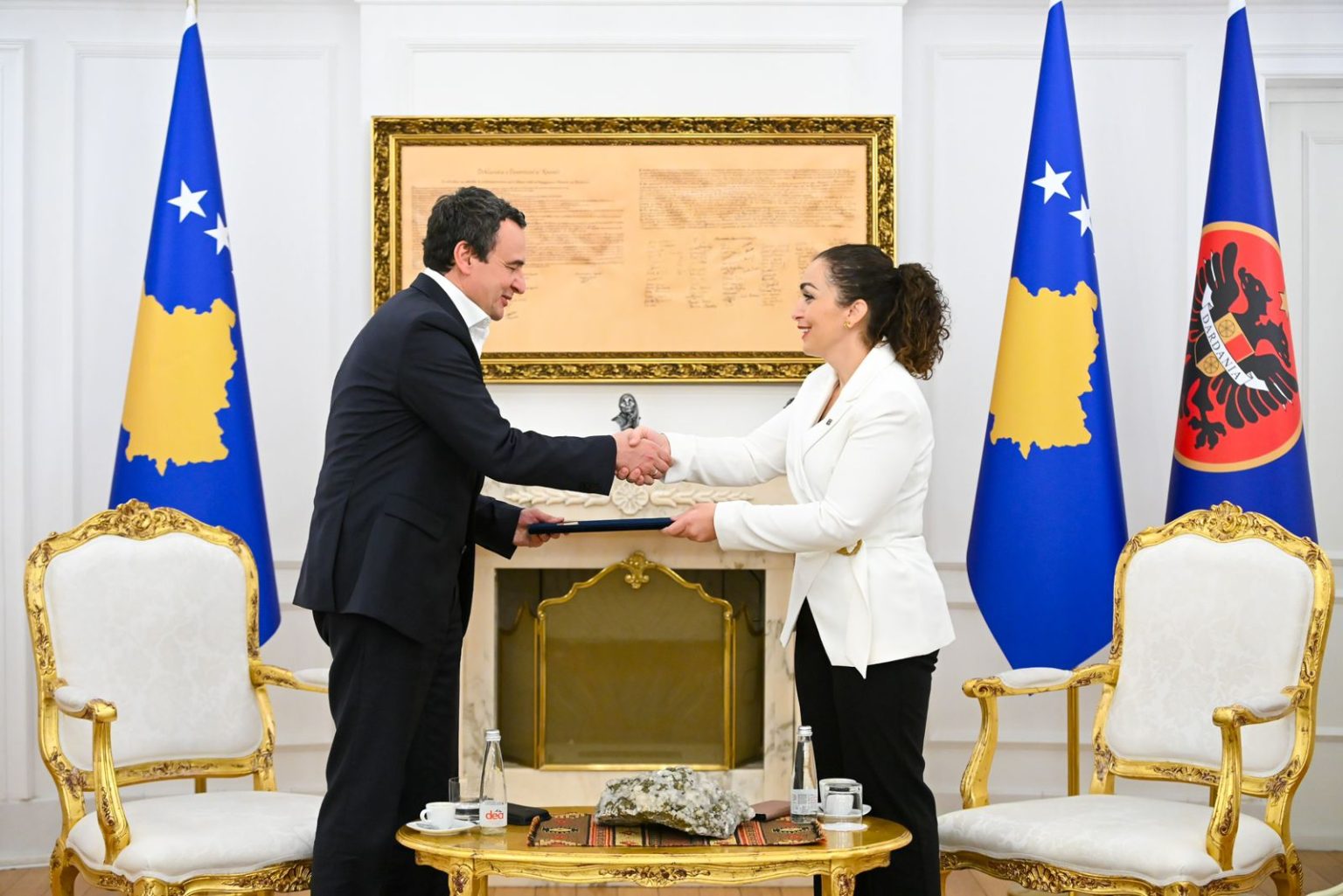
Kosovo will hold early parliamentary elections after lawmakers failed to elect a new president within the constitutional deadline, triggering the automatic dissolution of parliament.
Deputies in the Kosovo Assembly were unable to secure the required quorum to vote on presidential candidates, as opposition parties boycotted the session, preventing the process from moving forward.
Two candidates proposed by the ruling Vetëvendosje party, Feride Rushiti and Hatixhe Hoxha, were not voted on due to the lack of participation from opposition lawmakers.
Opposition boycott blocks process
The ruling party said it had made efforts to reach a compromise on the presidential election, but its proposals were rejected by opposition parties.
Opposition groups, however, insisted on a broader political agreement, opposing the idea of one party controlling all key institutions — the government, parliament and presidency.
The standoff reflects deep political divisions that have persisted throughout the electoral process.
Constitutional deadline triggers dissolution
Under Kosovo’s legal framework, failure to elect a president within the set timeframe results in the dissolution of parliament and the calling of new elections.
Authorities are now expected to organize early parliamentary elections within 45 days.
Political uncertainty ahead
The move pushes Kosovo into another election cycle, raising concerns about political stability and governance continuity.
Analysts say the outcome may not necessarily resolve the institutional deadlock, as divisions between ruling and opposition parties remain entrenched.
The upcoming elections are expected to focus heavily on institutional balance, governance and the distribution of political power.