


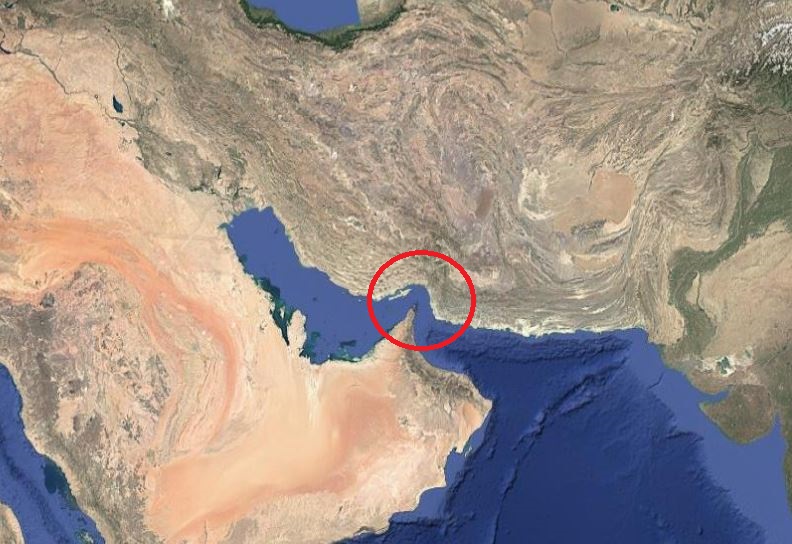
Iran said on Monday it remained in control of the Strait of Hormuz and had not sought renewed negotiations with Washington, challenging US claims that a pause in military strikes could open the way for diplomacy.
US President Donald Trump suspended a nearly two-week bombing campaign against Iran over the weekend after senior military commanders advised that the operation had reached the limits of what it could achieve, according to a US official.
The decision followed 13 consecutive nights of US strikes on Iranian targets. Tehran retaliated by attacking American bases across the Middle East but said it would suspend further attacks for as long as Washington maintained its pause.
Trump’s ambassador to the United Nations, Mike Waltz, said the president had stopped the strikes to give diplomacy a chance.
Iran, however, denied that it was seeking to return to negotiations.
“We have not requested the resumption of talks with the United States,” Iranian Foreign Ministry spokesman Esmail Baghaei told a televised news conference.
Baghaei said the situation in the Strait of Hormuz had not changed, signalling that Tehran continued to exert control over the strategic waterway through which a significant share of global oil supplies normally passes.
Iranian forces recently turned back six vessels that attempted to enter the strait without authorisation, according to Iranian accounts. Tehran has insisted that ships follow routes and procedures determined by Iranian authorities.
A US official said military commanders had advised Trump to avoid expanding the target list. General Dan Caine, chairman of the Joint Chiefs of Staff, had also raised concerns about the rate at which air-defence interceptors were being used to protect American bases and allies in the region.
The halt in fighting brought immediate relief to energy markets.
Brent crude fell by about 8% on Monday, dropping below $90 a barrel after briefly rising above $100 the previous week. The decline reflected hopes that the pause could eventually allow more oil and gas shipments to move through the strait.
Commercial traffic, however, remained sharply below normal levels, suggesting that shipping companies were not yet convinced that the confrontation had ended.
Indirect contacts between Washington and Tehran were continuing through regional intermediaries, including Oman. But the two sides remained divided over control of the strait, Iran’s nuclear programme and the conditions for restoring unrestricted commercial navigation.
The military pause has reduced the immediate risk of further escalation, but it falls short of a formal ceasefire. Iran’s refusal to discuss renewed talks — combined with its claim of continued control over Hormuz — leaves global energy supplies exposed to another sudden confrontation.