


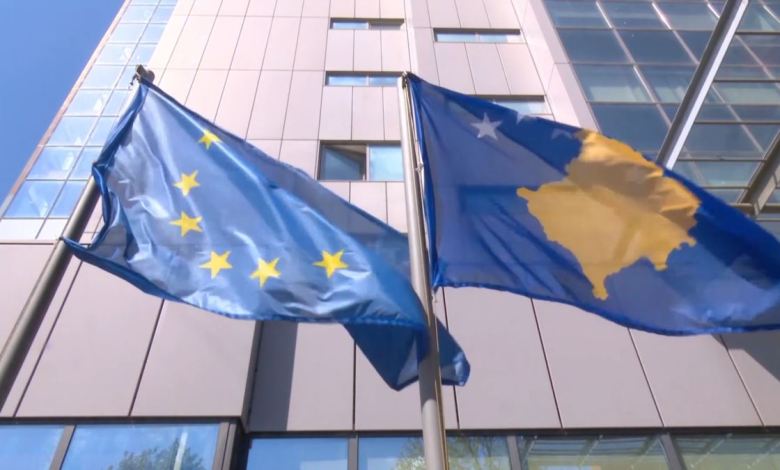
Kosovo is heading into its third parliamentary election in less than a year and a half, raising concerns over voter fatigue, institutional instability and declining public trust in democratic processes.
Acting President Albulena Haxhiu set June 7 as the date for early elections after parliament failed to elect a new president within the constitutional deadline, triggering the dissolution of the 10th legislature.
The vote will be Kosovo’s second consecutive snap election, following the December 2025 polls that were also caused by a failure to consolidate institutions after the regular elections held earlier that year.
Voter fatigue grows
Analysts warn that frequent elections are beginning to weaken citizens’ confidence in the political process.
Sociologist and political analyst Artan Muhaxhiri said democracy is meant to empower citizens, but repeated voting cycles can have the opposite effect when they fail to produce institutional stability.
“The democratic ritual becomes the very thing that undermines the spirit and meaning of democracy,” Muhaxhiri said, warning of political exhaustion and demobilisation.
Vebi Mujku from the Institute for Social Policy Development said many citizens will be voting for the fifth time in 16 months, including parliamentary and local elections.
“Going to vote five times in such a short period is extremely difficult for every citizen, economically for the state and socially for citizens’ stability,” Mujku said.
Citizens see little change
Residents in Pristina told Radio Free Europe that repeated elections have become tiring and are unlikely to bring new political outcomes.
Some said the same names, parties and programmes would return, while others predicted lower turnout in the next vote.
Analysts say the greatest risk is that citizens begin to see voting as structurally pointless if elections do not produce functioning institutions.
Wider social and economic impact
Muhaxhiri warned that repeated institutional failure could normalise democratic dysfunction and deepen polarisation without meaningful ideological debate.
He said the situation could also fuel economic anxiety, prompting citizens to delay long-term life plans in Kosovo or consider emigration.
“Emigration becomes a silent political act, a fundamental protest against the entire political spectrum,” he said.
Institutional uncertainty
The coming election is expected to test whether Kosovo’s parties can break the cycle of deadlock or whether the country will remain trapped in repeated elections without stable governance.
Analysts caution that a new vote alone may not resolve the crisis unless political actors show greater readiness for compromise.