



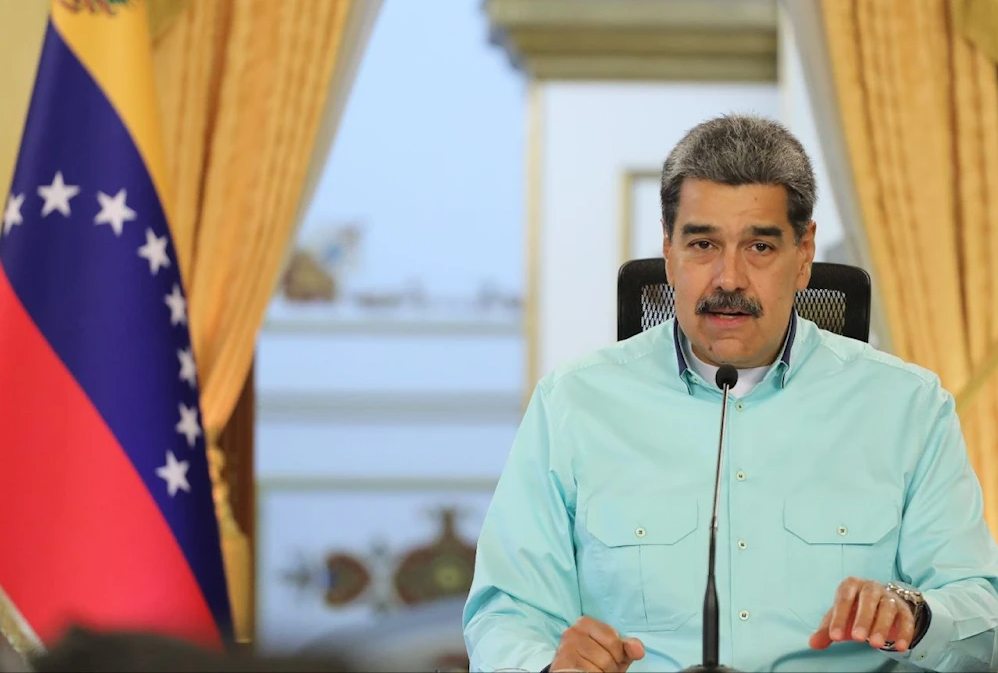
Balkan criminal networks are increasingly linked to cocaine trafficking routes through Venezuela, U.S. authorities and regional investigations suggest, amid the high-profile indictment of Venezuelan President Nicolás Maduro for “drug terrorism.”
Court documents and encrypted messaging app transcripts indicate contacts between Balkan clans and Venezuelan suppliers. One 2020 message referenced the purchase of three tonnes of cocaine from a source labeled “The Patron,” coordinated under Radoje Zvicer, the convicted leader of Montenegro’s Kavač clan, who also oversees operations in Serbia.
The network’s reach was underscored when Dutch authorities seized five tonnes of cocaine off Aruba, arresting 11 Montenegrin nationals and sentencing crew members to nine to 15 years in prison. The case highlights documented links between Balkan criminal organizations and transatlantic drug routes.
While direct connections between Balkan groups and the cartels named in Maduro’s indictment—including Mexico’s Sinaloa and Zetas, Colombia’s FARC, and Venezuela’s Tren de Aragua—are not yet publicly confirmed, regional journalists note that broader Balkan networks operate as a “conglomerate” spanning Montenegro, Serbia, Albania, Croatia, Bosnia and Herzegovina, and Slovenia.
In Albania, the Hysa crime family has been sanctioned by the U.S. Treasury for laundering approximately $2 million between 2017 and 2024 on behalf of the Sinaloa cartel, funneling funds through casinos and U.S.-based companies.
Western Africa, including Sierra Leone, Senegal, Guinea-Bissau, Guinea, and Gambia, has become an emerging hub for cocaine transshipment. Serbian nationals, such as former Loznica policeman Miroslav Starčević, have been implicated in operations using Sierra Leone as a storage and shipping point for containers destined for Europe, in coordination with the Kavač clan.
Encrypted communications seized in international law enforcement operations reveal that Balkan networks focus on logistics, container shipments, port access, and corruption to move cocaine into legal transport channels—often without the knowledge of local workers. The networks operate in over 30 countries, with cocaine primarily shipped from Ecuador, Colombia, and Brazil to major European ports including Rotterdam and Antwerp for distribution across Europe.
Journalists tracking these cases emphasize that the scale, organization, and reliance on corrupt officials make Balkan criminal networks a focus of U.S. authorities.