


After years of balancing between Moscow and the West, Ankara is quietly realigning
ANKARA, June 10 (BV) – Turkey is moving closer to its Western allies after years of strained relations with NATO and deepening ties with Russia, a shift driven by economic pressure, regional upheaval and Ankara’s growing need for Western defence cooperation.
According to the latest analysis of Foreign Affairs, President Recep Tayyip Erdoğan had long pursued what Turkish officials called “strategic autonomy,” building energy, trade and defence links with Moscow while clashing with Washington and European capitals over Syria, sanctions and Turkey’s purchase of Russia’s S-400 missile system.
But Russia’s war in Ukraine, Turkey’s economic troubles and changes in Syria have pushed Ankara to reassess the limits of its partnership with Moscow.
Turkey has reduced its dependence on Russian energy, slowed sensitive trade with Moscow, expanded liquefied natural gas purchases from the United States and sought closer defence cooperation with NATO allies. Ankara has also backed Ukraine militarily, supported its NATO aspirations and taken part in Black Sea security initiatives with Bulgaria and Romania.
The shift does not mean Turkey has abandoned its desire for room to manoeuvre between global powers. But it shows that Ankara now sees greater value in working with the United States and Europe than in relying on Russia.
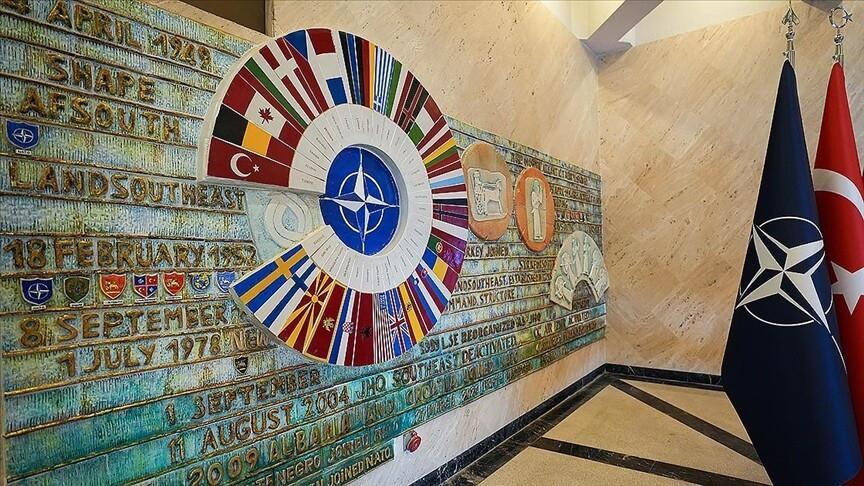
Ahead of the NATO summit in Ankara in July, Turkish officials have sharpened their pro-alliance message, presenting Turkey as a key pillar of transatlantic security at a time of war in Ukraine, instability in the Middle East and rising pressure on Europe’s defences.
Russia’s influence in Syria has also weakened after the fall of Bashar al-Assad, reducing Ankara’s need to coordinate closely with Moscow. At the same time, Turkey’s defence industry still depends on Western technology, financing and partnerships.
The result is not a full return to the old pro-Western Turkey, but a pragmatic recalibration. Erdoğan’s government still wants flexibility. Yet the message is increasingly clear: Turkey’s economy, security and global influence remain anchored in NATO and the West.