


GENEVA, May 17 (BV)— The Pan-European Commission on Climate and Health, convened by the World Health Organization Regional Office for Europe, published a Call to Action in Geneva ahead of the 79th World Health Assembly.
The commission was convened by WHO Regional Director for Europe Dr Hans Henri P. Kluge and chaired by former Icelandic Prime Minister Katrín Jakobsdóttir.
The document follows 12 months of work and includes contributions from 47 political leaders, scientists, public health experts and civil society representatives from across the WHO European Region.
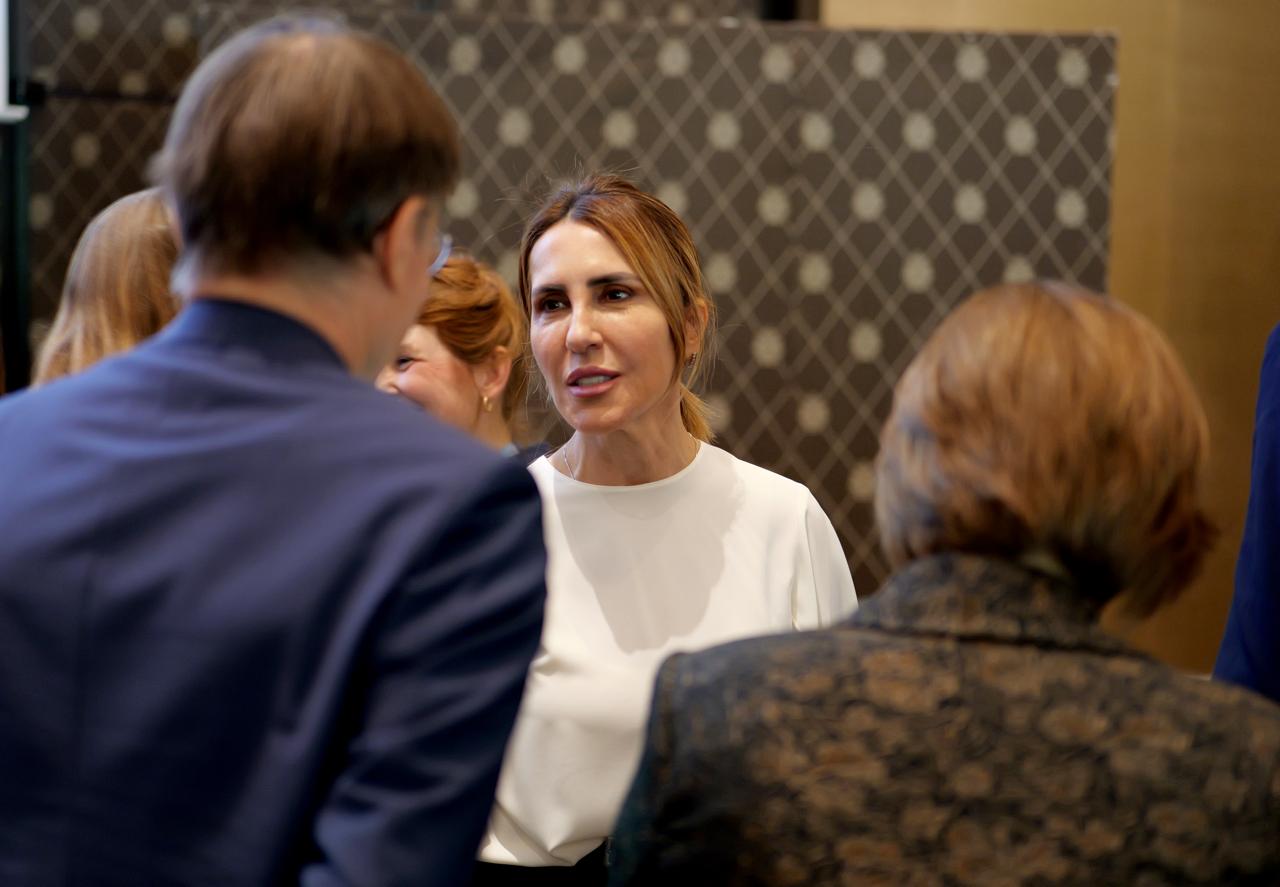
The commission has 11 commissioners, including Majlinda Bregu, former secretary-general of the Regional Cooperation Council and former Albanian minister of European integration.
The Call to Action says pollution, food security and extreme heat are no longer only environmental or health issues, but national security challenges for every country.
Europe is warming at about twice the global average. In 2024, around 63,000 people in the region died from causes linked to extreme heat.
A study covering 854 European cities found that climate change was responsible for nearly 70% of about 24,000 summer heat deaths in 2025.
Air pollution from fossil fuel burning causes more than 600,000 premature deaths each year in the region, equal to around 1,700 deaths per day.
The document says Southeast Europe, the Western Balkans and Türkiye have recorded the largest increases in heatwaves of any European sub-region. The annual number of heatwave days in these countries has more than doubled compared with previous decades.
The commission sets out recommendations in four main areas.
First, governments should treat climate change as a public security threat and include it in national security council agendas.
Second, health ministries should transform health systems to respond to climate risks, including mental health and psychosocial support in national planning.
Third, municipalities and local authorities should plan urban development in ways that reduce health costs.
Fourth, governments should reform economic and financial systems and allocate budgets for measures that protect public health.
The report also calls for mandatory training for health professionals on climate and health, with stronger focus on mental health.
Speaking after the ceremony, Bregu said the Western Balkans should not see itself as a marginal part of the crisis.
“I speak as a commissioner, but also as someone from the region that this document identifies as among the most exposed. The Western Balkans is not on the periphery of this emergency. We are at its center,” Bregu said.
The commission addressed its recommendations to heads of government, health ministers, urban and regional networks, and the international community.