


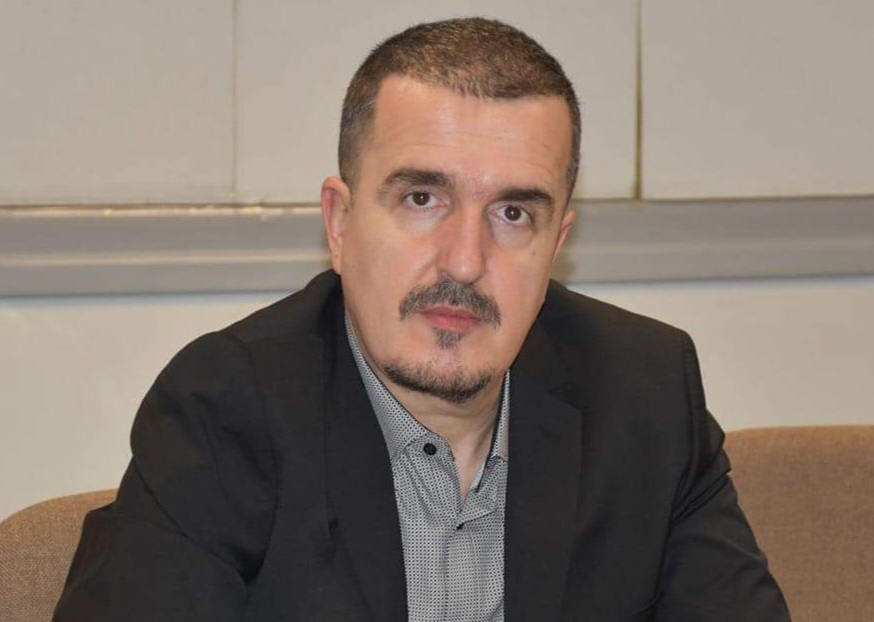

Serbian President Aleksandar Vučić said on Friday that next week would be crucial for the country’s oil company NIS and that Serbia must find a solution by November 20 to avoid disruptions caused by U.S. sanctions targeting Russian-linked entities.
“I think our refinery can hold out until November 20, or maybe a few days after, and we must find a solution for NIS by then,” Vučić told state broadcaster RTS.
Vučić said he expected Serbia, together with Russian partners and possibly other investors selected by Moscow, to send a letter to the U.S. Treasury Department’s Office of Foreign Assets Control (OFAC) early next week, requesting an exemption from the sanctions.
He added that Russia was “working hard” to find a solution and that discussions were ongoing. “We will ask the Americans for an exemption for a month, two, or three, as they can see that we’ve started to address the management issue,” he said, adding that future ownership changes might also be considered.
The Serbian president noted that global oil prices were rising due to Mediterranean market fluctuations and assured citizens that there was no cause for concern over domestic supply.
Vučić welcomed Washington’s decision to grant Hungary a permanent exemption from sanctions on Russian oil and gas imports, calling it “a good sign for Serbia.” He said the move would help ensure uninterrupted gas transit through Serbia and prevent supply blockages from Bulgaria.
“I congratulate Prime Minister Orbán for securing a permanent exemption — that’s good news for us because the gas flow through Serbia will continue,” he said.
Vučić also defended Serbia’s decision to build an oil pipeline with Hungary, calling it “a smart and strategic move.” The 108-kilometre link will help transport crude oil from Hungary to Novi Sad and then to the Pančevo refinery.
“We expect to complete the pipeline within a year and a half,” he said. “Without it, we would be in a far more difficult position, just as we would have been without the gas pipeline and interconnector with Bulgaria.”
Asked whether he believed Washington would approve the sanctions waiver, Vučić said it would be “difficult.”
“We’re not an EU member, and we’re not that important. We’re small and must be rational,” he said. “But if they approve it, it will make oil product procurement much easier for us.”