


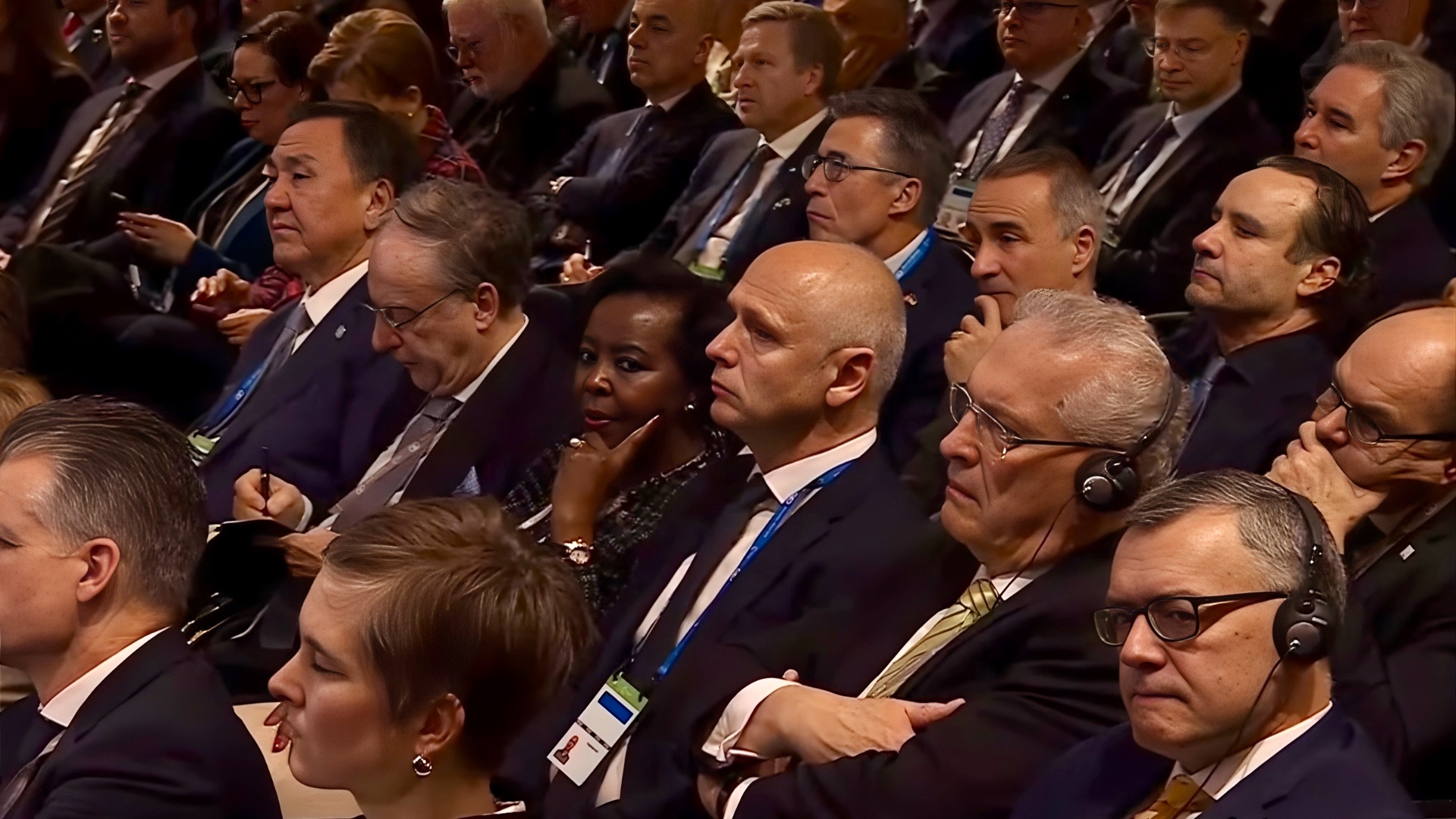
The Secretary General of the Regional Cooperation Council (RCC), Amer Kapetanović, took part in the 62nd Munich Security Conference (MSC), joining high-level discussions on European security, European Union enlargement, and efforts to combat transnational organised crime, the organisation said.
The conference, which gathers political leaders, defence officials, diplomats, business representatives, and civil society figures, focused on responses to pressing global security challenges and the Western Balkans’ role within the broader European and transatlantic framework.
Kapetanović attended the opening session and participated in thematic discussions and roundtables addressing Europe’s security challenges and the region’s integration prospects. He joined the roundtable “Open Door or Open End? Delivering on EU Enlargement” and spoke at an event titled “Anchoring the Balkans: Evaluating EU Enlargement, Transatlantic Commitment and Europe’s Security Challenge”, organised by Istituto Affari Internazionali, Open Society Foundations Western Balkans, and the School of Advanced International Studies at Johns Hopkins University.
He also spoke at an event hosted by GIZ titled “Steal, Smuggle, Destabilise: The Case for Inter-Regional Action Against Transnational Organised Crime”, and took part in “Whispering Giants: The Western Balkans’ Democracy Crisis as a Test for Europe”, organised by the Belgrade Centre for Security Policy (BCSP) and the European Council on Foreign Relations (ECFR).
Panel discussions assessed the Western Balkans as a test of the EU’s enlargement credibility and Europe’s evolving security architecture amid shifting geopolitical dynamics. Participants discussed risks linked to democratic backsliding and hybrid threats, the growing security dimension of the accession process, and the need for closer coordination between the EU and transatlantic partners. Speakers also stressed the importance of stronger regional cooperation in addressing shared security risks.
“Criminal networks are moving across the region every day, regardless of jurisdictions and institutions, while our responses too often remain fragmented or reactive,” Kapetanović said. “Organised crime goes beyond individual jurisdictions and requires a cooperative response.”
He added that criminal ecosystems in the Western Balkans exploit institutional weaknesses and socio-economic gaps, undermining both regional stability and Europe’s wider security architecture.
“In today’s security environment, fragmentation is a risk and cooperation is a strength. The real question is whether institutional security cooperation can act faster than criminal networks,” he said.
Kapetanović highlighted the RCC’s role in promoting operational security cooperation in South East Europe through initiatives such as the Security Governance Hub framework, the annual Regional Security Coordination Conference, known as the “Jumbo Conference”, and analytical work based on the RCC’s SecuriMeter research.
On the sidelines of the conference, Kapetanović held bilateral meetings with Romania’s Foreign Minister Oana-Silvia Țoiu, Serbian Foreign Minister Marko Đurić, European Bank for Reconstruction and Development President Odile Renaud-Basso, European External Action Service Deputy Secretary General for Political Affairs Skoog Olof, and German Bundestag member Carl-Philipp Sassenrath.
The talks focused on strengthening regional cooperation within the South-East European Cooperation Process (SEECP), advancing implementation of the SEE2030 Strategy, supporting the Western Balkans’ EU integration, and enhancing joint responses to organised crime, hybrid threats, and institutional resilience.
The Munich Security Conference again served as a key platform for dialogue on Europe’s security architecture, underscoring the importance of sustained regional and interregional cooperation in an increasingly fragmented global environment.