


The defeat of Viktor Orban after 16 years in power has been welcomed across European capitals as a potential turning point for Hungary’s relations with the European Union, with broader—though largely indirect—implications for the Western Balkans.
Orban, who built what he described as an “illiberal democracy” since returning to power in 2010, frequently clashed with Brussels over rule-of-law concerns, media freedom and judicial independence. His government also blocked or delayed key EU decisions, including financial assistance packages for Ukraine, and maintained close ties with Russia and former U.S. President Donald Trump.
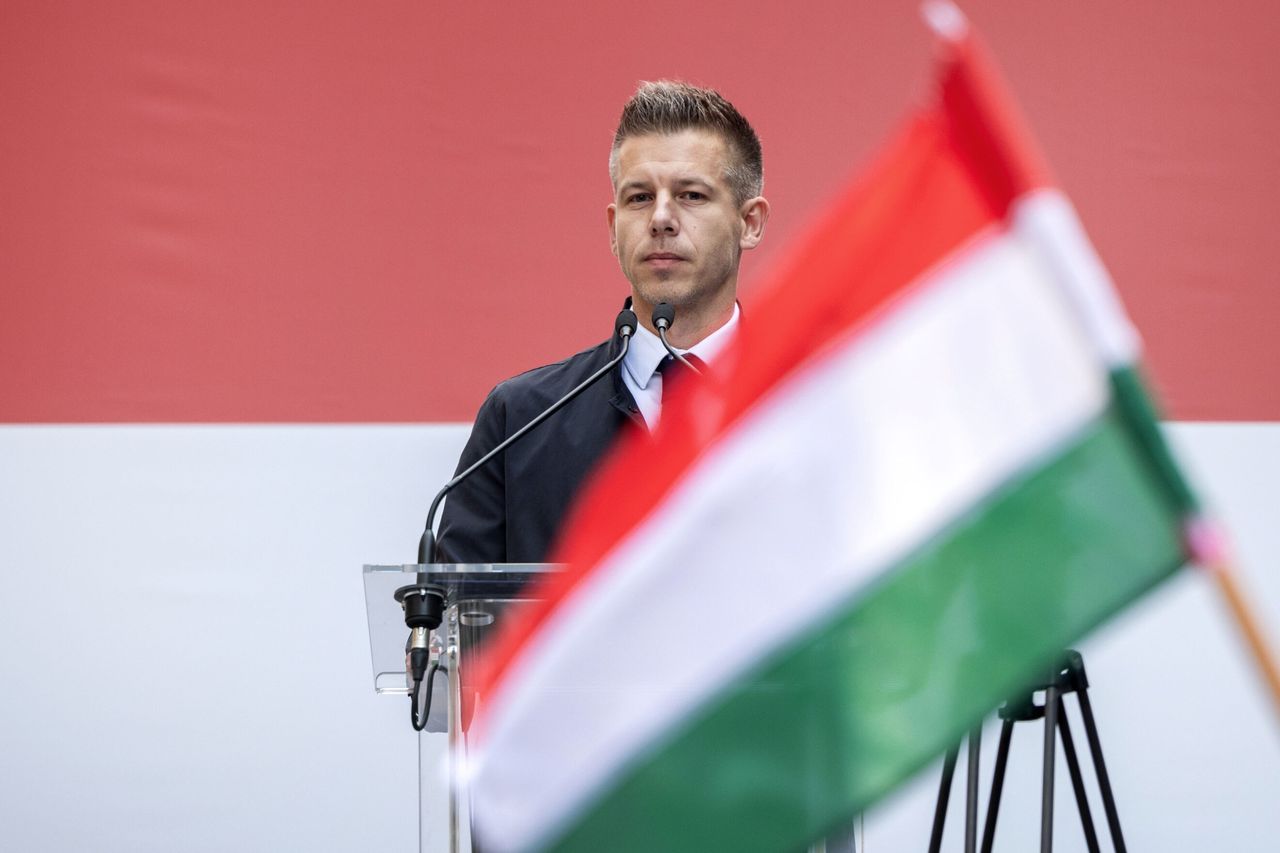
His successor, opposition leader Peter Magyar, whose centre-right Tisza party secured a landslide victory and is expected to command a two-thirds parliamentary majority, has pledged to restore democratic standards, fight corruption and rebuild Hungary’s ties with the EU.
European leaders swiftly welcomed the outcome. European Commission President Ursula von der Leyen said “Europe’s heart is beating stronger in Hungary,” while German Chancellor Friedrich Merz, French President Emmanuel Macron and Spanish Prime Minister Pedro Sanchez signaled readiness to work with the new government on strengthening European unity.
Diplomats say one of the immediate consequences could be the unblocking of billions of euros in EU funds frozen over rule-of-law concerns. Magyar has also indicated he would seek closer alignment with EU institutions, including joining the European Public Prosecutor’s Office, and reduce Hungary’s use of veto power in EU decision-making, particularly on Ukraine.
Regional ripple effects
In the Western Balkans, the political shift in Budapest is being closely watched. Hungary under Orban was seen as a key political ally for several governments in the region, including North Macedonia’s current leadership, and a vocal supporter of more sovereignty-driven approaches within Europe.
While Hungary was not a decisive actor in North Macedonia’s stalled EU accession process—largely blocked by bilateral disputes with Bulgaria—analysts say the change in Budapest could alter the political tone in the region.
A more pro-European Hungarian government may reduce support for nationalist or eurosceptic narratives and reinforce EU-centric reform agendas, though no immediate policy shifts toward Skopje have been outlined by Magyar.
Reactions in the region
Serbian President Aleksandar Vucic was among the first regional leaders to react, congratulating Magyar on his victory while expressing confidence that strong bilateral relations would continue. At the same time, he thanked Orban for his role in fostering close ties between Serbia and Hungary.
Ahead of the election, Vucic had publicly supported Orban, saying Serbia would remain grateful for his contribution to bilateral relations regardless of the outcome.
Reactions in North Macedonia
In Skopje, reactions reflected deep political divisions.
Prime Minister Hristijan Mickoski did not directly comment on the Hungarian election results, but in a public message marking Easter called for unity, stability and economic progress.
In contrast, opposition leader Venko Filipce said Orban’s defeat sends “a strong message that citizens choose European values over isolation,” urging North Macedonia to accelerate its EU path and distance itself from governance models that, in his words, “move the country away from the European Union.”
The Social Democratic Union (SDSM) went further, arguing that Orban’s fall could lead to scrutiny of past political and economic ties, including alleged business links. The ruling VMRO-DPMNE rejected those claims, saying cooperation with Hungary had been conducted through “official state agreements” and not informal arrangements.
The outcome has also revived discussions about former prime minister Nikola Gruevski, who fled to Hungary in 2018 and was granted asylum under Orban’s government. Magyar has not publicly addressed the issue, despite signaling a tougher stance on corruption and rule of law.
In the short term, Orban’s defeat represents a strategic shift within the EU, potentially easing internal divisions and strengthening consensus on key policies. For Hungary, it marks the beginning of a political transition that could redefine its position in Europe.
For the Balkans, and especially for North Macedonia, the impact is expected to be indirect—reshaping the regional political environment rather than immediately altering its EU accession trajectory, which remains tied to unresolved bilateral issues and domestic reforms.
Still, the election sends a broader signal across the region: that political change driven by pro-European platforms can reshape long-standing power structures and recalibrate relations with Brussels.