


Inflation may be easing in North Macedonia, but that does not mean life is getting cheaper. Food prices remain high, wages are struggling to keep pace with household costs and economists and trade unions warn that winter could put additional pressure on lower-income families.
SKOPJE, Oct 4 (BalkanView) — Slowing inflation is offering little relief to many households in North Macedonia, where food prices remain elevated and lower-income families spend a large share of their earnings on basic necessities, business executive Xhemail Dauti said.
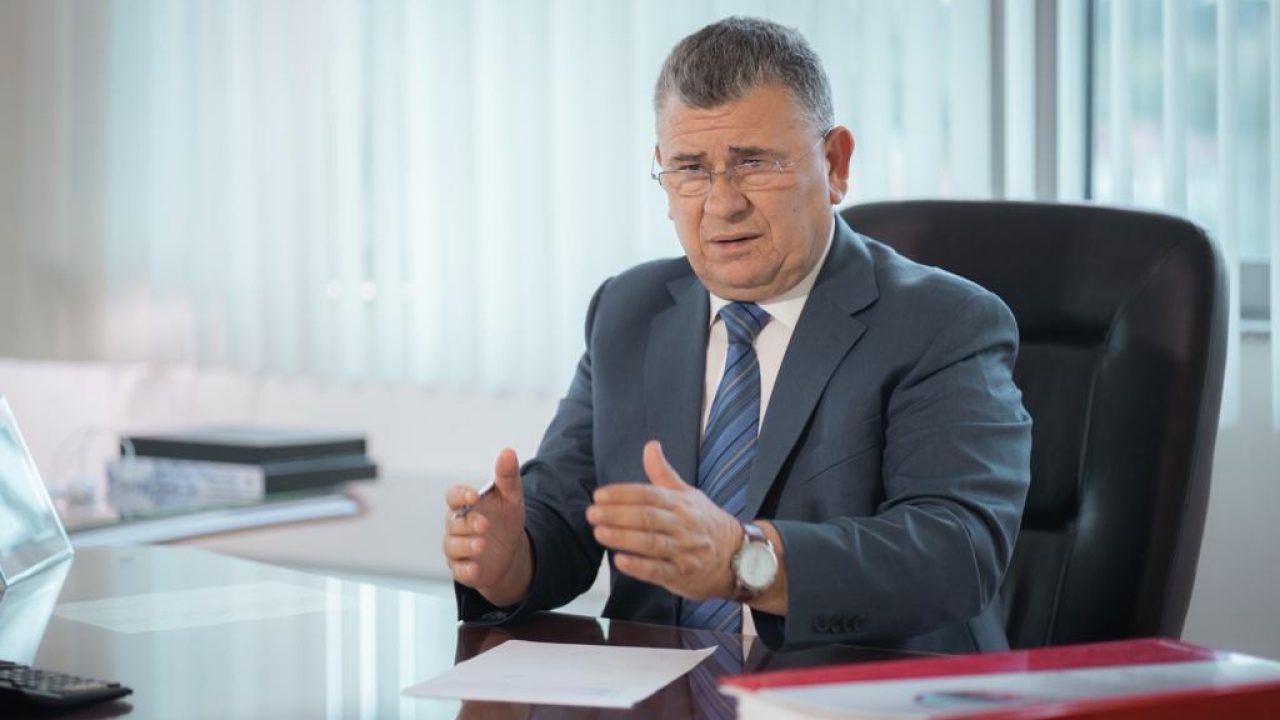
Dauti, executive director of food distributor Dauti Komerc, said that a lower inflation rate should not be confused with falling prices.
“For low-income families, slowing inflation does not necessarily mean that life has become cheaper,” Dauti told North Macedonia’s public broadcaster MRT2. “Prices may be rising more slowly, but they remain at high levels, especially food, which takes up the largest share of the family budget.”
Food prices in North Macedonia rose 5.2% in 2025 compared with the previous year, while overall inflation stood at 4.1%, according to figures cited in the report.
The difference matters because households with lower incomes generally have less room to adjust spending when essential products become more expensive.
Even when inflation slows, consumers continue paying the higher prices accumulated during previous periods. Only the pace of further increases moderates.
Wages rise, but so do household costs
North Macedonia’s average monthly net wage has reached 48,499 denars, or around 790 euros, while the minimum wage stands at 26,046 denars, about 420 euros, according to figures cited in the report.
Higher nominal wages, however, do not automatically translate into an equivalent improvement in living standards if a substantial part of the increase is absorbed by more expensive food, energy and other necessities.
That pressure could become more visible during the winter, when heating, electricity, warm clothing and other seasonal expenses add to regular household spending.
Economist Faton Halili said authorities should consider additional measures to support vulnerable households during the winter.
Higher energy consumption and other seasonal costs could further weaken the financial position of families already struggling with everyday expenses, he told MRT2.
Trade unions call for higher minimum wage
Slobodan Trendafilov, president of the Federation of Trade Unions of Macedonia, said higher wages were necessary to counter the increased cost of living.
“The winter period is coming, when the largest part of the budget will go towards heating homes, buying warm clothes and other necessary expenses,” Trendafilov said. “That is something you really cannot afford on 600 euros. Perhaps you cannot afford it even on an average salary.”
Trendafilov called for an increase in the minimum wage, saying such a measure would directly affect around 260,000 workers.
“The way out of this vicious circle is wage growth,” he said. “Increasing the minimum wage would help around 260,000 workers immediately have additional income for their families.”
The debate reflects a broader cost-of-living problem confronting North Macedonia: the difference between how quickly prices are rising and whether household incomes can catch up.
For consumers, a decline in inflation does not reverse previous price increases.
For businesses, further wage increases can also translate into higher operating costs, adding another dimension to the debate over how to protect purchasing power without creating additional price pressures.
For Dauti, however, the immediate problem remains straightforward: essential products are still expensive.
That means an improving inflation rate may look encouraging in economic statistics while producing a very different experience at supermarket checkouts.