



Turkish doctors have achieved a major medical breakthrough after successfully performing the country’s first minimally invasive spinal surgery on an unborn baby, giving new hope to families facing severe fetal birth defects.
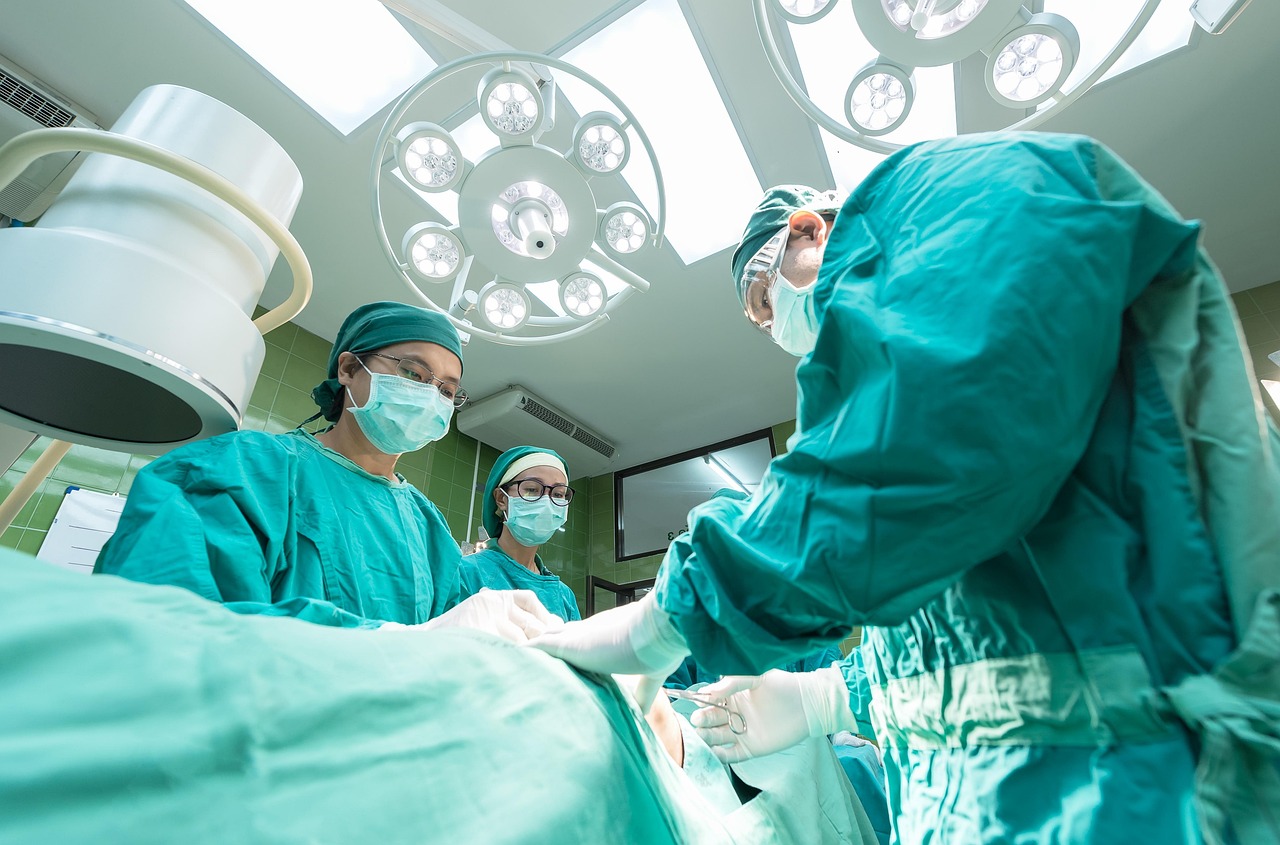
A multidisciplinary team at repaired a neural tube defect in a 26-week-old fetus during a six-and-a-half-hour fetoscopic operation on July 14. The procedure, carried out through tiny incisions using a camera and millimetre-sized instruments, is the first of its kind in Türkiye.
The baby’s condition was detected during a routine ultrasound at 22 weeks of pregnancy after 32-year-old Sebiha Çakmak was examined at Kastamonu Training and Research Hospital. She was later referred to Hacettepe University’s Perinatology Clinic in Ankara.
A team of 30 specialists, led by Associate Professor Derman Başaran with support from Professor Alireza Shamshirsaz, closed the opening in the fetus’s spine while the baby remained in the womb.
Just one day earlier, the same university performed an open fetal surgery on another baby with the same condition, making Hacettepe the first medical centre in Türkiye capable of offering both open and minimally invasive prenatal surgery for neural tube defects.
Çakmak, who is expecting her seventh child after six healthy pregnancies, said she had been advised to terminate the pregnancy because of the baby’s disability.
“I refused. We had fears, but thanks to our doctors we overcame them. It is a miracle, and we plan to name our son Umut,” she said.
Doctors say early prenatal repair significantly reduces nerve damage, improves the child’s chances of walking independently and, unlike open surgery, also increases the likelihood of a normal vaginal delivery.
Neural tube defects can cause paralysis of the legs, bowel and bladder dysfunction and hydrocephalus. Specialists explained that repairing the defect before birth prevents prolonged exposure of the spinal cord to amniotic fluid, reducing long-term complications.
Anaesthesiologists also administered anaesthesia to both the mother and the unborn baby during the operation, describing it as one of the most complex aspects of the procedure.