


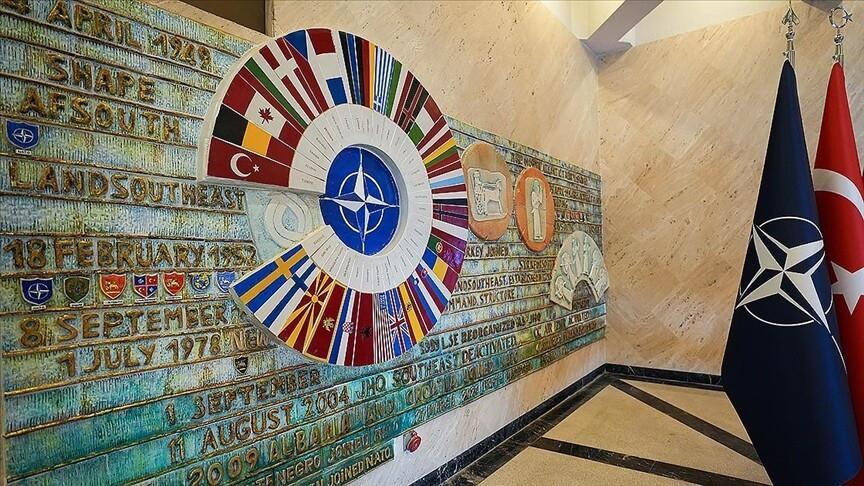
ANKARA, May 20 (BV) — Foreign ministers from NATO’s 32 member states will meet in Helsingborg, Sweden, on May 21-22 to finalize preparations for the alliance’s July summit in Ankara and discuss mounting security threats across Europe and the Middle East.
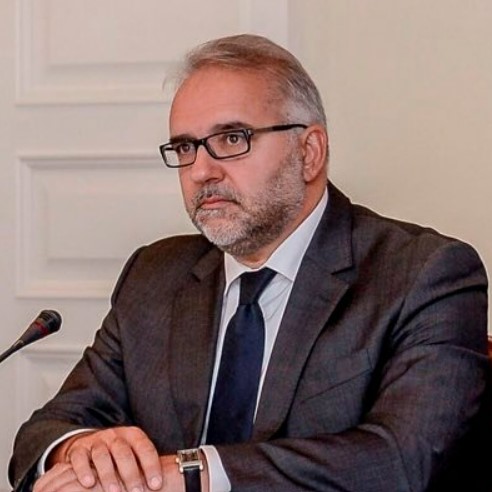
will represent Türkiye at the meeting, where ministers are expected to focus on alliance unity, transatlantic cooperation, defense industry production, military support for Ukraine and strengthening NATO’s operational capabilities.
Diplomatic sources said discussions would also address the Russia-Ukraine war, U.S.-Iran negotiations and security risks linked to a possible closure of the Strait of Hormuz, a critical global energy route.
On May 21, ministers will meet Ukrainian Foreign Minister and EU foreign policy chief during a NATO-Ukraine working dinner.
Fidan is expected to reiterate Ankara’s support for Ukraine’s territorial integrity and emphasize Türkiye’s position that the war should end through diplomatic means.
On May 22, NATO Secretary-General will join ministers for broader alliance discussions and final coordination ahead of the Ankara summit.
According to diplomatic sources, Fidan will present Türkiye’s preparations as host nation and outline Ankara’s strategic priorities, including defense burden-sharing and preserving strong transatlantic ties.
The Turkish foreign minister is also expected to argue that restrictions in the defense industry weaken NATO’s principle of collective security and reduce the alliance’s military effectiveness.
Türkiye has increasingly positioned itself as a central security actor within NATO, particularly as Europe expands defense spending and confronts instability stretching from Ukraine to the Middle East.
Fidan is further expected to call for strengthening NATO’s “360-degree security vision,” arguing that the alliance must pay greater attention to threats emerging from its southern flank and deepen cooperation with regional partners.
The July summit in Ankara is expected to focus heavily on defense production, military readiness and NATO’s long-term posture toward Russia and regional conflicts.