


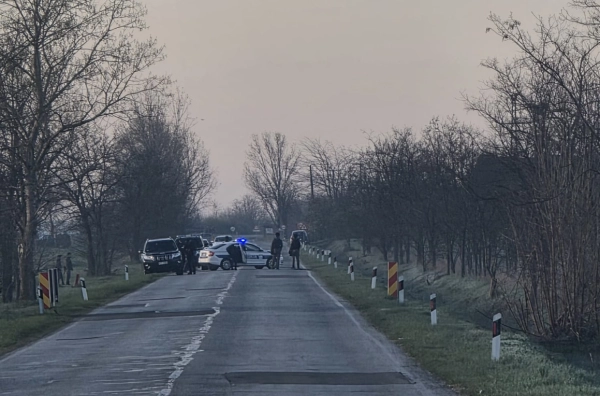
Explosives discovered near a key gas pipeline linking Serbia and Hungary have triggered emergency security responses and heightened concern over the vulnerability of energy infrastructure in southeastern Europe, officials and regional media said on Sunday.
Serbian President Aleksandar Vucic said devices with “devastating power” and detonators were found near the pipeline route in the northern municipality of Kanjiza, adding that an investigation was ongoing and that Hungary had been informed of the findings.
Hungarian Prime Minister Viktor Orban convened an emergency meeting of the country’s defence council following a phone call with Vucic, underlining the potential cross-border impact of any disruption to gas flows.
Regional media, citing official sources, reported that police and military units sealed off parts of the area, deploying helicopters and specialist teams to search terrain near the pipeline corridor. Authorities were said to have located at least two packages of explosives a few hundred metres from the infrastructure.
Serbian prosecutors later confirmed the discovery of suspicious items, while investigations into possible sabotage or terrorism-related charges were continuing.
Claims of foiled attack
Several officials and local media framed the incident as a potential attempted attack on critical infrastructure.
Balint Pastor, leader of the Alliance of Vojvodina Hungarians, said security forces had “prevented a terrorist attack” targeting the gas infrastructure connecting Serbia and Hungary. He added that, if confirmed, the intended disruption could have endangered gas supply in both countries and put civilian lives at risk.
Pastor also suggested that if Hungary had been the primary target, the incident could be interpreted as an attempt to destabilise the Hungarian government, though he did not provide evidence and authorities have not confirmed a motive.
Serbian officials have so far stopped short of publicly attributing responsibility.
Drone incident adds to concerns
The discovery comes days after Russia’s Gazprom said it had repelled a drone attack on the Russkaya compressor station, a key facility feeding gas into the TurkStream pipeline system.
According to Gazprom, three fixed-wing drones attempted to strike the station in southern Russia in the early hours of April 2, but the attack was thwarted and operations were not disrupted.
While there is no confirmed link between the attempted drone strike and the explosives found in Serbia, the incidents have added to concerns about the growing risks facing energy infrastructure tied to Russian gas exports.
Strategic corridor under pressure
TurkStream has become a crucial route for Russian gas deliveries to Europe after transit via Ukraine sharply declined. The pipeline supplies Turkey and extends through the Balkans into Serbia, Hungary and beyond.
Both Serbia and Hungary rely heavily on gas transported through this corridor, making any disruption potentially significant for regional energy security.
The latest incident underscores how geopolitical tensions and hybrid threats — including sabotage and drone attacks — are increasingly intersecting with critical infrastructure in Europe’s energy landscape.
No disruption reported
Despite the security scare, there were no immediate reports of damage to the pipeline or disruption to gas flows.
Authorities in Serbia said operations continued normally while investigations proceeded, and further updates are expected as forensic analysis of the site continues.
The episode, however, highlights the heightened sensitivity around energy infrastructure at a time of ongoing regional tensions and limited alternative supply routes.