


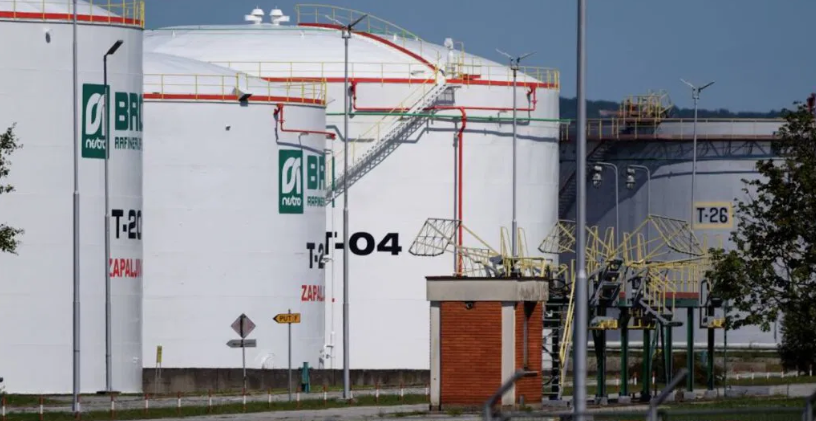
The shutdown of Serbia’s only oil refinery could have long-lasting economic and social consequences, threatening thousands of jobs, state revenues and financial stability as sanctions squeeze the country’s energy sector, experts told local media on Thursday.
The Pancevo refinery, operated by majority Russian-owned Naftna Industrija Srbije (NIS), halted operations after Serbia stopped receiving crude oil nearly two months ago due to restrictions linked to Western sanctions. Analysts say the halt may expose Belgrade to further punitive measures.
Energy specialist Nenad Gujaničić said the refinery’s closure was “inevitable for Serbia’s energy stability” but warned that the decision will trigger lawsuits and raise costs. “This is an unpopular but necessary move,” he told N1, adding that secondary sanctions could freeze Serbia’s foreign reserves and block international payment flows.
The refinery’s trade union has asked NIS management for urgent talks, saying workers have no clarity on their future and want to know the position of the Russian side. NIS employs more than 12,000 people in Serbia.
Despite the shutdown, officials say fuel supplies remain stable. The Energy Minister said Serbia has managed without crude oil imports “for almost two months,” while Gazprom Neft, NIS’s majority shareholder, said the domestic market is being supplied with sufficient oil products.
Neighbouring Bosnia’s Federation entity said it does not expect major disruption in fuel supply despite sanctions against NIS, though economists in Sarajevo warned the situation could affect regional pricing.
Local media reported that the Pancevo facility is being filled with nitrogen to prevent corrosion during the shutdown, which could last days or longer depending on the outcome of international negotiations. Russian and Hungarian delegations are expected to meet in Istanbul later this month to discuss nuclear cooperation, oil derivatives and the future of NIS, according to the weekly NIN.
Financial experts warned that the National Bank of Serbia risks exposure if new sanctions hit payment channels, although some analysts argue that no commercial bank will allow a complete blockade of transactions.