


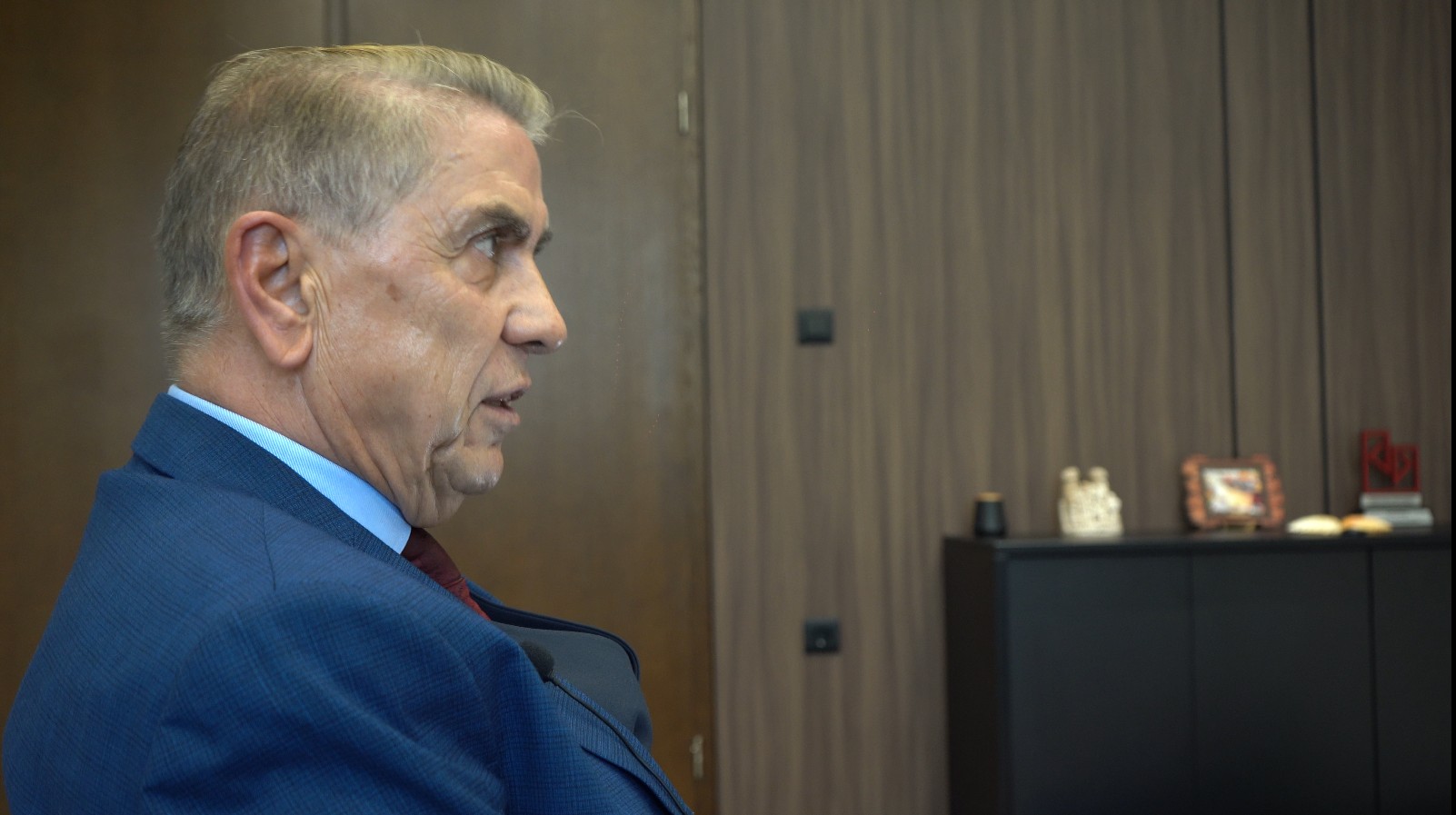
Wage increases in North Macedonia must remain aligned with productivity gains if the country is to avoid fuelling inflation and undermining competitiveness, prominent economist and academic Abdylmenaf Bexheti said, warning that persistent social and political pressures risk deepening structural weaknesses in the economy.
In an interview with Balkanview, Bexheti said that while headline inflation has begun to ease, core inflation – reflecting prices of essential goods and services – remains elevated and disproportionately affects lower-income households.
“Core inflation is the most serious problem at the moment, because it directly hits the most vulnerable social groups,” Bexheti said, adding that stalled reforms and labour market imbalances were intensifying pressures on prices and public finances.
Global uncertainty reshaping economic outlook
Bexheti placed North Macedonia’s challenges within a broader global context marked by what he described as the highest level of uncertainty since World War Two.
He cited the unresolved war in Ukraine, escalating geopolitical tensions in the Middle East, renewed trade barriers under U.S. President Donald Trump’s “America First” agenda, and growing efforts to reduce reliance on the U.S. dollar in international transactions.
“These developments are accelerating the transition from a unipolar to a multipolar world,” Bexheti said, pointing to the expansion of the BRICS bloc and the emergence of alternative financial systems designed to bypass the SWIFT network.
He warned that prolonged trade and financial fragmentation could further destabilise global markets, at a time when public debt is expected to exceed $100 trillion globally over the next two to three years – more than 100% of global GDP.
“In such conditions, no country can feel fully secure – economically or in terms of national sovereignty – apart from the United States, and even that only temporarily,” he said.
Europe under strain, spillovers for the Balkans
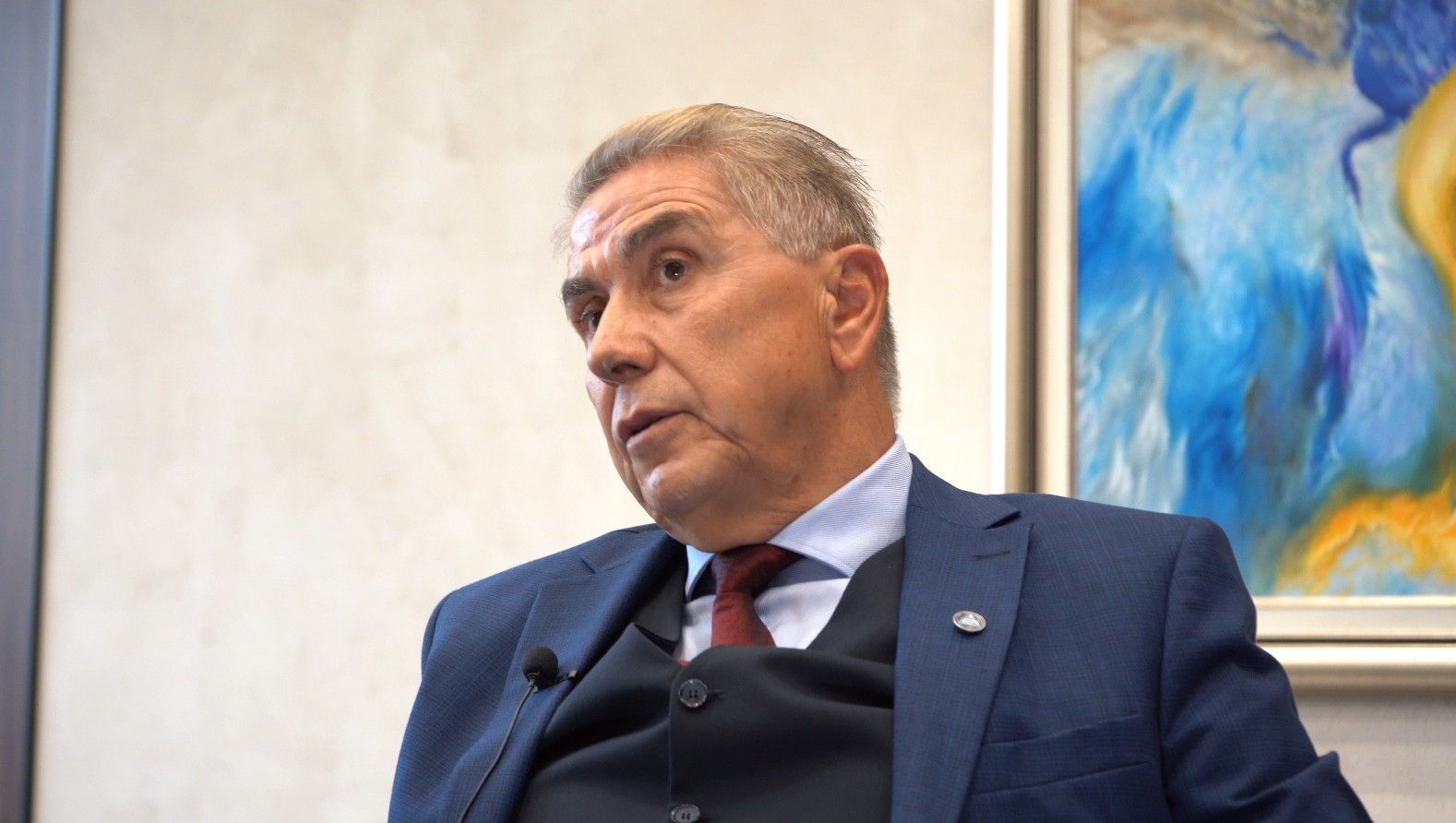
Europe’s economic and security environment has also deteriorated, Bexheti said, as the continent faces rising defence spending, demographic ageing, and slowing growth.
The European Union’s economy is forecast to grow by just 1.2% in 2026 and 1.4% in 2027, while average public debt has surpassed 83% of EU GDP – the highest level since the post-war period, he noted.
At the same time, internal decision-making constraints within the EU and uncertainty over long-term U.S. security guarantees are forcing European countries to reassess defence and fiscal priorities.
For Western Balkan economies, which are heavily dependent on trade with the EU, these trends pose significant risks.
“Any slowdown or instability in Europe directly transmits to our economies,” Bexheti said.
Domestic growth is solid, but structural risks persist
North Macedonia’s economy has shown relatively solid growth, with average expansion of 3.4% over the first three quarters of last year and an estimated annual growth rate of around 3.5%, according to Bexheti.
The finance ministry forecasts growth of 3.8% in 2026, while the central bank has projected an even higher rate of 4% – an unusual divergence that places the monetary authority above the government in terms of optimism.
Annual inflation stood at around 4% in 2025 and is expected to decline to 2.5% in 2026, but Bexheti cautioned that these figures mask deeper problems.
“Labour shortages on one side and low productivity on the other are creating contradictory pressures,” he said, noting that trade unions are demanding wage increases without corresponding productivity gains.
He warned that politically driven wage hikes risk triggering a vicious cycle of higher core inflation, weaker competitiveness, and reduced exports.
Employers, unions, and government share responsibility
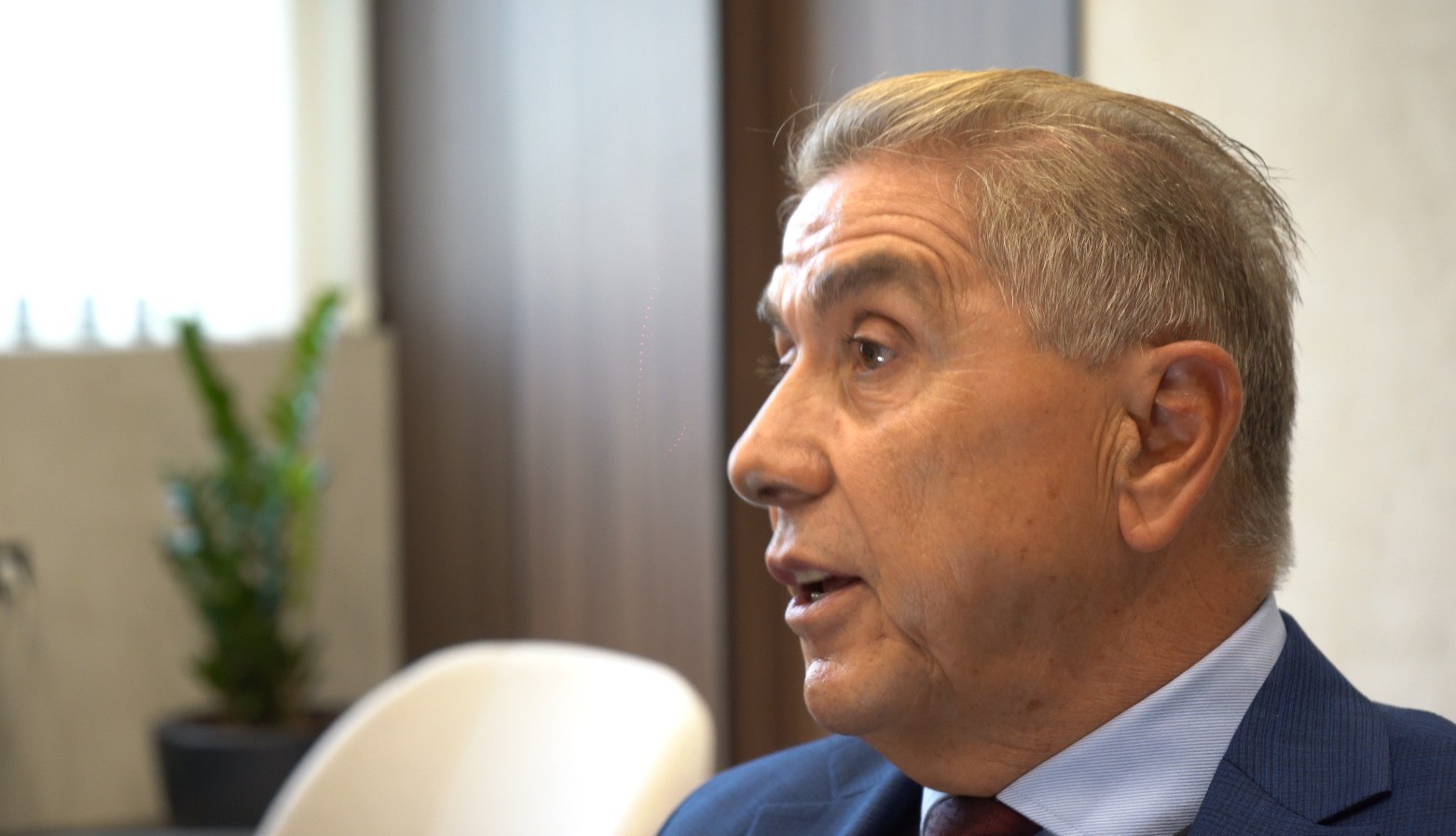
Bexheti said that a sustainable balance between employers, workers, and the government can only be achieved by adhering to a basic principle of market economics: each party should receive in proportion to what it contributes.
“Neither employers nor workers should expect to receive more than they give,” he said, adding that the government’s role should be that of an impartial mediator and regulator.
He criticised calls from some employers for greater state subsidies and reduced social contributions, arguing that such demands are incompatible with expectations for improved public services such as healthcare, education, and infrastructure.
Claims that North Macedonia has the highest social contribution burden in the region are inaccurate, he said, pointing out that contribution rates are significantly higher in countries such as Serbia and Croatia.
Governance, youth, and human capital are key to long-term growth
Looking ahead, Bexheti said strengthening institutional capacity must be the country’s top priority, including ensuring legal certainty, combating corruption, and improving transparency in public services.
“These are difficult reforms and carry political costs, but they are achievable – and without them, progress is impossible,” he said.
He also urged a shift in social and economic priorities toward younger generations, warning that current policies risk creating a paradox in which being a pensioner is economically more attractive than being employed.
Education reform, aligned with labour market needs, and targeted social support for vulnerable households are essential, he added.
Bexheti identified agriculture, energy, environmental services, mountain tourism, forestry, and IT and remote services as sectors with the greatest potential for sustainable growth.
“These goals are realistic if there is committed governance and accelerated EU integration,” he said. “Otherwise, the country risks continued depopulation and political stagnation – at a time when global demographic pressures mean that no strategically located territory remains empty for long.”