


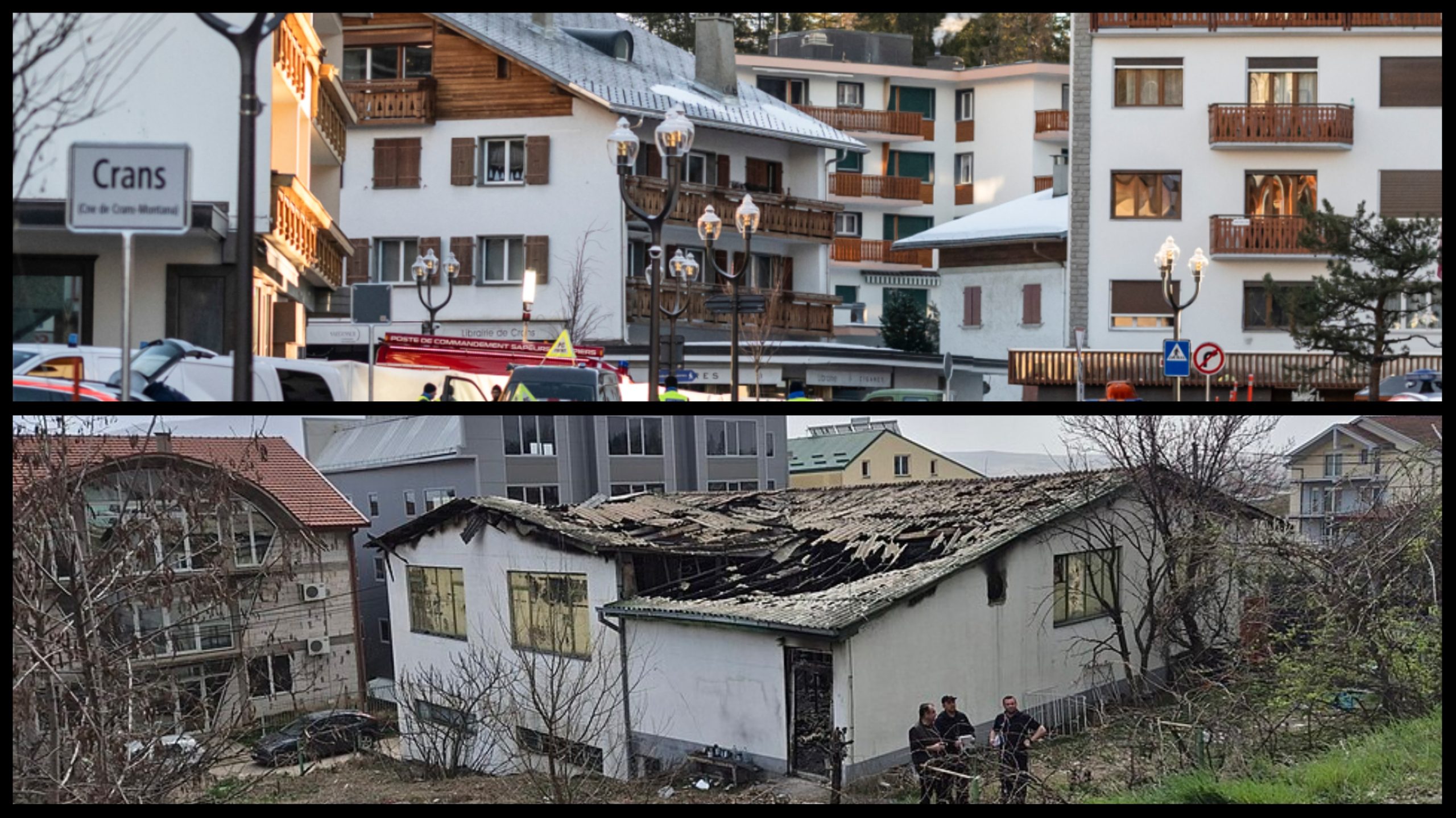
Two deadly fires in European nightlife venues within a year have highlighted persistent risks from pyrotechnics, overcrowding, and inadequate safety measures.
On 16 March 2025, a fire at the Pulse nightclub in Kočani, North Macedonia, killed 63 people and injured 193. Sparks from indoor fireworks ignited the ceiling in a venue that lacked sprinklers, sufficient emergency exits, and adequate firefighting equipment. Rescue efforts were hampered by the club’s location in a dense urban area, leaving many victims trapped and overwhelming local hospitals.
Less than a year later, around 40 people died and 115 were injured at Le Constellation bar in the Swiss ski resort of Crans-Montana. Witnesses reported sparklers mounted on champagne bottles igniting foam ceiling panels, with a single narrow staircase as the only exit from the basement event space. Victims, including international tourists, were treated in hospitals across Switzerland, France, Germany, and Poland.
Both incidents share common risk factors: the use of pyrotechnics in confined spaces, flammable building materials, and limited escape routes. They also exposed vulnerabilities in emergency response and healthcare capacity, with European assistance deployed in both cases.
Investigations have focused on compliance with safety regulations. In Kočani, nightclub operators and government officials were arrested over licensing failures, prompting nationwide anti-corruption protests. In Crans-Montana, authorities are examining ceiling materials, evacuation routes, and regulatory adherence.
The tragedies underscore the dangers of combining entertainment pyrotechnics with overcrowded venues and insufficient fire safety standards. Experts say stricter enforcement and emergency preparedness are essential to prevent further mass-casualty incidents in Europe’s nightlife and tourism sectors. (BV)