


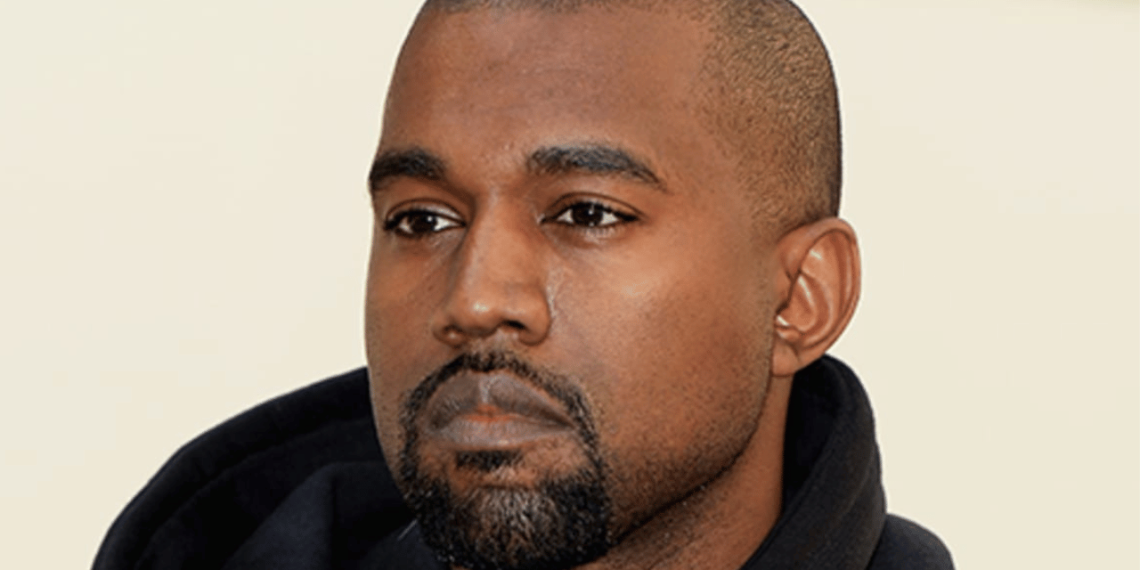
U.S. rapper Kanye West is set to stage a large-scale concert in Tirana on July 11, with Albanian authorities preparing a temporary expansion of the capital’s main stadium to accommodate up to 60,000 fans.
The concert will be held at the national stadium in Tirana, which has a permanent capacity of about 22,500 spectators. Due to high expected demand, officials plan to construct additional temporary infrastructure to significantly increase the venue’s capacity for the event.
Albania’s Ministry of Culture said the concert is expected to generate strong economic and tourism benefits, describing it as part of broader efforts to position the country as a regional destination for major international events.
“In every aspect, it is our obligation to welcome and facilitate events that bring benefits to tourism and the economy,” the ministry said, adding that the concert would have an “extraordinary impact” on promoting Albania internationally.
Economic and tourism boost
Authorities see the event as an opportunity to attract tens of thousands of foreign visitors, boost hospitality and service sectors, and increase Albania’s visibility in the global entertainment industry.
Large-scale concerts and festivals have increasingly been used by governments across the Balkans to stimulate tourism and diversify their economies, particularly during peak summer months.
Industry observers say such events can deliver short-term economic gains, including increased hotel bookings, restaurant activity and transport demand, while also contributing to long-term branding of destinations.
Controversy surrounding the artist
The announcement comes shortly after controversy in the United Kingdom, where Kanye West had been scheduled to headline a major music festival in London.
His inclusion in the lineup drew criticism from political officials and community groups due to past racist and antisemitic remarks. Critics argued that giving him a platform was inappropriate given rising concerns over hate speech and social tensions.
A spokesperson for London’s mayor said the artist’s previous comments were “offensive and wrong” and did not reflect the city’s values. Jewish community representatives also voiced strong opposition, citing broader concerns about antisemitism.
The backlash contributed to heightened scrutiny around his performances and public appearances in Europe.
Balancing opportunity and risk
Despite the controversy, Albanian authorities appear focused on the economic and promotional potential of the concert, which is expected to be one of the largest music events ever hosted in the country.
Analysts note that hosting globally recognized artists can elevate a country’s profile but also carries reputational risks, particularly when performers are associated with political or social controversies.
For Albania, the July concert represents both a major opportunity to showcase its capacity to host large-scale events and a test of how it manages international attention surrounding high-profile figures.