


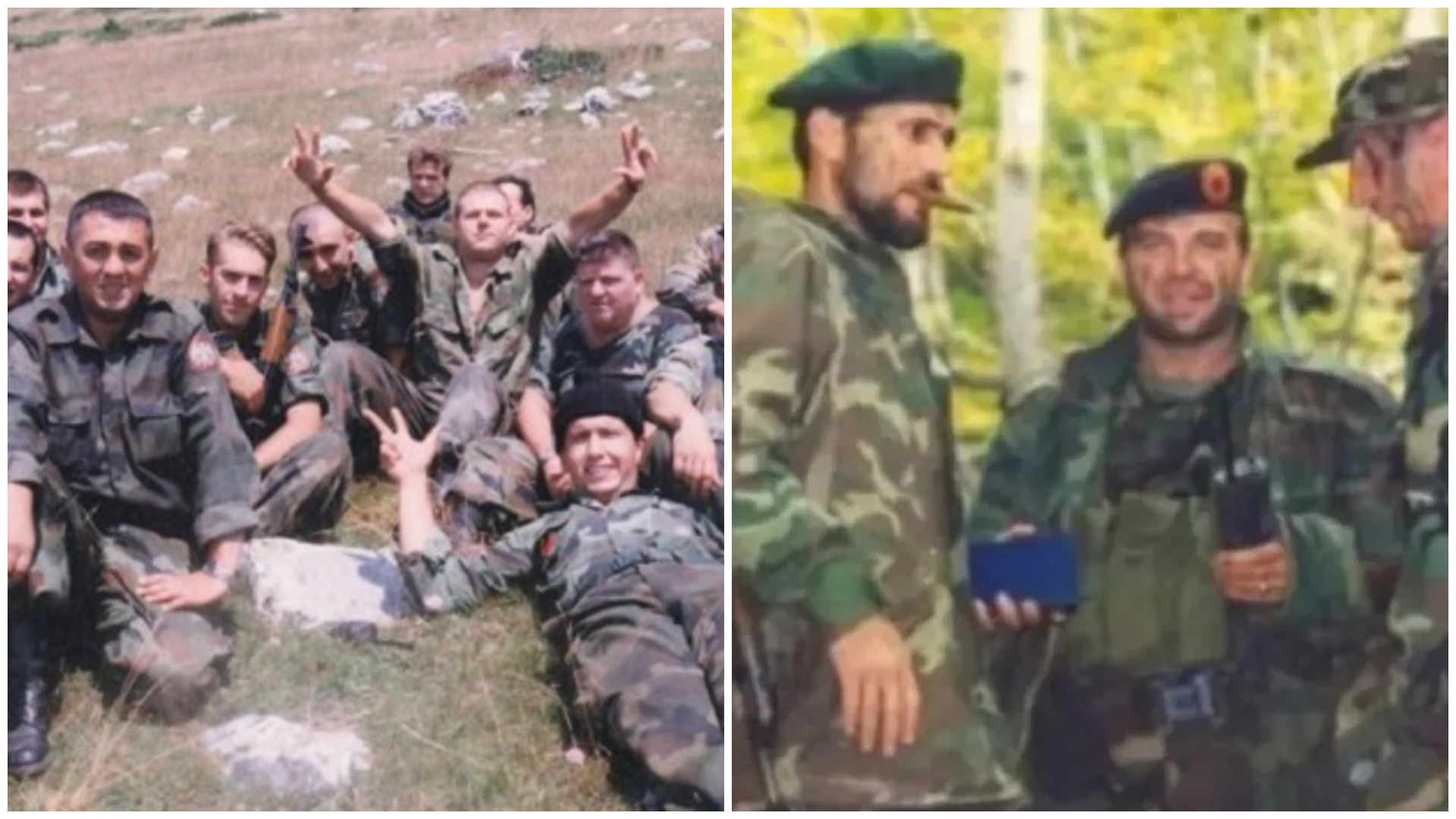
Media in Serbia and Kosovo marked the 27th anniversary of the Battle of Košare on Wednesday with sharply contrasting narratives, reflecting enduring divisions over the legacy of the 1998–99 Kosovo war.
In Serbia, mainstream and tabloid outlets framed the battle primarily through the lens of national defense and sacrifice, frequently using emotionally charged language and hero-centered storytelling. Headlines described a “heroic resistance” against “aggression,” often portraying Serbian forces as outnumbered defenders facing attacks by the Kosovo Liberation Army, backed by NATO air power.
Several Serbian outlets highlighted personal testimonies of soldiers and commanders, reinforcing a narrative of duty and patriotism. Quotes such as “There is no retreat, behind us is Serbia” and retrospective accounts of young conscripts underscored a collective memory built around defense and national unity. Political figures, including ruling party officials, echoed this framing, describing the battle as a symbol that “remains etched in the heart of every Serb.”
State-aligned agencies and traditional broadsheets tended to adopt a more formal tone but retained the same core framing, referring to the events as part of the NATO bombing of Yugoslavia and emphasizing resistance to a “stronger enemy.” Tabloids, meanwhile, amplified nationalist rhetoric, using capitalized headlines and stark language such as “enemy” and “attack,” often blurring the line between commemoration and the mobilization of public sentiment.
By contrast, media in Kosovo presented the battle as a decisive moment of liberation and statehood formation. Coverage consistently described the offensive by the Kosovo Liberation Army as a successful effort to “break the border” between Kosovo and Albania, framing it as a strategic and symbolic turning point in the war.
Kosovo outlets emphasized collective achievement and sacrifice, highlighting the role of specific brigades and fallen fighters. The battle was widely characterized as one of the most important and successful operations of the war, with casualty figures and references to “martyrs” reinforcing a narrative of liberation through sacrifice.
Statements by political leaders, including President Vjosa Osmani and Prime Minister Albin Kurti, were prominently featured, describing the battle as an enduring symbol of freedom and national resilience. Parliamentary figures such as Daut Haradinaj went further, framing the events as a humiliation of Serbian forces, reflecting a more assertive tone in some segments of the media.
Across Kosovo’s media landscape, the repetition of similar headlines and formulations suggested a high degree of narrative alignment, with limited divergence in framing among outlets.
The contrast between the two media spheres illustrates how the same historical event continues to function as a site of competing national memory. While Serbian coverage centers on defense, victimhood, and resistance to external aggression, Kosovo’s narrative foregrounds liberation, victory, and the dismantling of imposed borders.
Such parallel narratives, reinforced annually through media coverage and political messaging, underscore the persistence of divided interpretations of the Kosovo war, with little overlap in terminology, emphasis, or moral framing. (BV)