


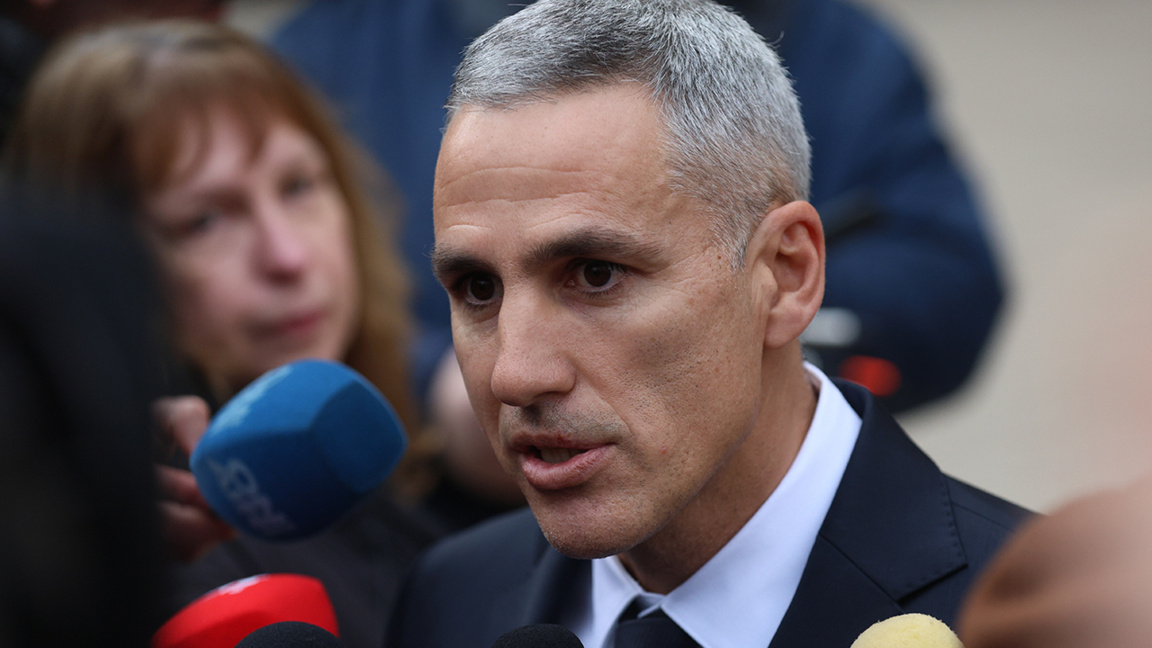
Bulgaria’s Prime Minister Andrey Gyurov said a ceasefire between the United States and Iran could help stabilize global markets and lower fuel prices, as authorities monitor potential economic spillovers from the Middle East conflict.
Speaking after a government coordination meeting on price controls, Gyurov expressed hope that the truce would hold and allow for the reopening of shipping through the Strait of Hormuz, a key route for global energy supplies.
“I hope the ceasefire will be respected, calm international markets and lead to easing prices,” he said, noting that oil prices had already reacted, falling to around $94–95 per barrel.
Gyurov said early data did not confirm fears of sharp price increases, though he warned that pressure could still build in the system and eventually affect consumers. The government’s priority, he added, is to contain that pressure before it reaches households.
Authorities will conduct weekly monitoring of prices for essential goods to prevent speculation. Data from the consumer protection commission showed mixed trends, with prices rising in 40% of monitored goods and services in March compared to February, while declining in 60%.
Officials said changes in fuel prices had not yet significantly affected retail prices in major supply chains.
Agriculture Minister Ivan Hristanov said he expected prices to ease in the coming weeks, while tax authorities reported that some fuel stations had increased margins, with further analysis ongoing to determine whether sanctions are warranted.
The government said targeted support measures for vulnerable groups would continue, emphasizing that assistance would remain focused rather than broadly distributed.
The developments come as countries across Europe assess the economic impact of tensions in the Middle East, particularly on energy markets and inflation.