


Kosovo’s political parties are exploring options to elect a new president and avoid early parliamentary elections, but chances of a breakthrough remain limited, according to civil society representatives.
Prime Minister Albin Kurti has held talks this week with opposition leaders, including Democratic League of Kosovo chief Lumir Abdixhiku, with both sides agreeing to continue discussions despite failing to reach a deal.
Under a Constitutional Court deadline, lawmakers must elect a president by April 28. Failure to do so would trigger early parliamentary elections within 45 days.
The ruling Vetëvendosje party holds 57 seats in the 120-member parliament and governs with support from nine minority deputies, leaving it short of the two-thirds majority of 80 votes required in the first two rounds of presidential voting. In a third round, a simple majority of 61 votes would suffice, provided at least 80 lawmakers are present.
The Democratic Party of Kosovo holds 22 seats, the Democratic League of Kosovo 15, and the Alliance for the Future of Kosovo six.
Mexhide Demolli from the Fol Movement said all parties had expressed a desire to avoid elections, but warned that a deal would require several conditions, including agreement on a non-partisan candidate and participation of opposition parties to ensure quorum.
“The chances are small but not impossible, especially if there is external pressure from international partners such as the EU and the United States,” she said.
Emir Abrashi from Democracy Plus said negotiations with opposition parties had not yet produced concrete results, raising the likelihood that the deadline could expire without agreement.
“If the situation continues like this, there is a strong chance the deadline will pass without a solution, followed by political manoeuvring to shift responsibility to the opposition,” he said.
Both analysts suggested that a compromise candidate outside party politics could offer the best chance of consensus, given the president’s constitutional role as a symbol of national unity.
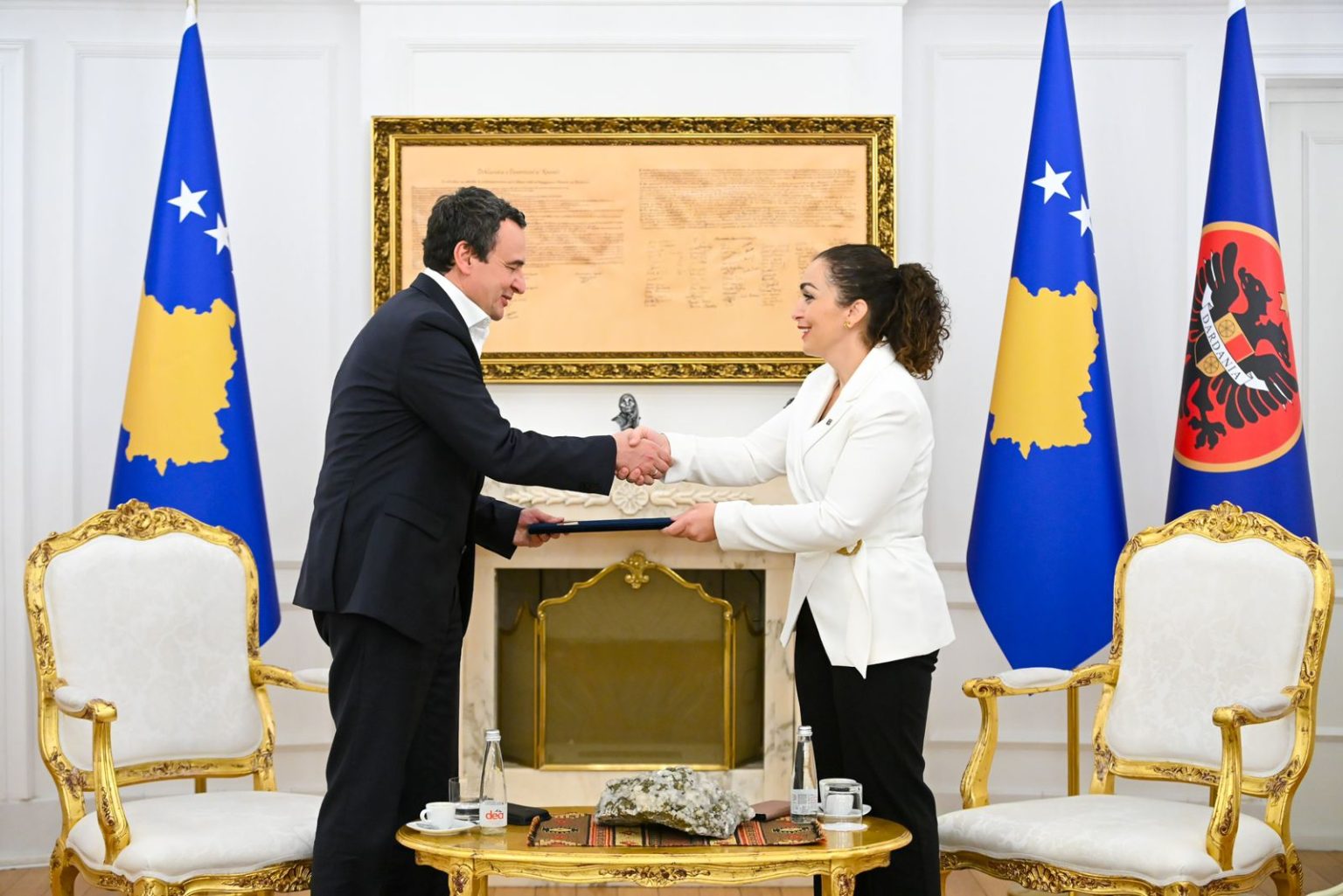
Kosovo has been without a fully mandated president since April 4, when Vjosa Osmani’s term expired. Parliamentary Speaker Albulena Haxhiu is currently serving as acting president, in line with constitutional provisions.
Analysts also warned that the prolonged stalemate reflects deeper political divisions, with both the government and opposition publicly supporting stability while pursuing competing political interests.