


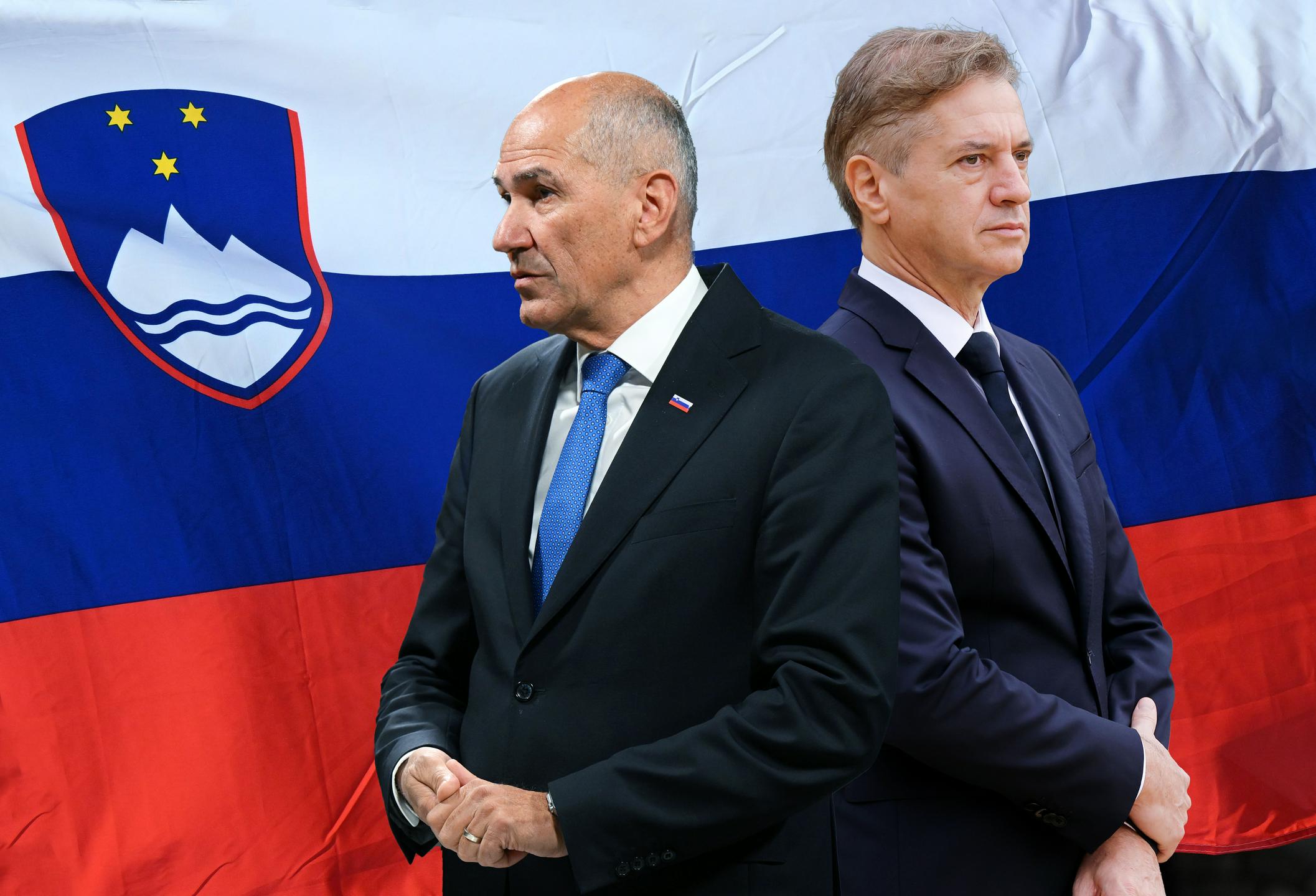
Slovenia heads into a parliamentary election on Sunday with a tight race between liberal Prime Minister Robert Golob and opposition leader Janez Janša, following a campaign marked by allegations of foreign interference, corruption claims, and the spread of covert recordings.
Opinion polls suggest a narrow contest between Golob’s Freedom Movement and Janša’s Slovenian Democratic Party, with neither expected to secure a majority in the 90-seat parliament, leaving smaller parties likely to play a decisive role in coalition building.
The vote is seen as a test of the domestic and foreign policy direction of the European Union and NATO member state of around two million people, which declared independence from Yugoslavia in 1991.
Under Golob, Slovenia recognised a Palestinian state and imposed an arms embargo on Israel last year over its military campaign in Gaza. Analysts say that stance could shift if Janša, who is seen as closer to Israel and U.S. President Donald Trump, wins power.
Janša has pledged to overhaul Golob’s domestic policies, including introducing tax relief for businesses and cutting funding for civil society, social programmes, and the media.
Golob’s party won a landslide victory in 2022 but has since lost some support, partly due to voter dissatisfaction with public services such as healthcare.
The campaign intensified this month after anonymous websites published covertly recorded videos alleging corruption within the government, claims Golob denies.
In a separate development, reports emerged that Janša had met representatives of Israeli private intelligence firm Black Cube, fuelling concerns about potential foreign involvement in the election. Janša acknowledged meeting a company adviser but denied any wrongdoing.
Golob said he had discussed the issue with European leaders, while French President Emmanuel Macron warned of “clear and documented interference, disinformation and influence from third countries” ahead of the vote.
“We must mobilise to protect our democracies from this kind of interference,” Macron said.
Adding to tensions, members of Golob’s party and activists reported that dead animals had been hung on campaign posters across parts of the country, though Reuters could not independently verify who was responsible.
“This has definitely been a dirty campaign,” said Teresa Novak, a lawmaker from the Freedom Movement, while campaigning in central Ljubljana.
Analysts warn that the spread of allegations and disinformation risks eroding public trust and could affect voter turnout.