


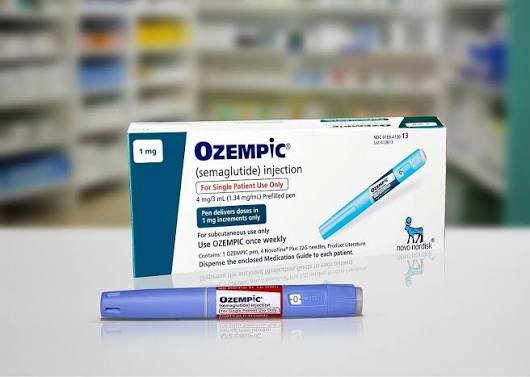
North Macedonia is experiencing a growing shortage of Ozempic, a prescription medication used to manage type 2 diabetes, raising concerns among patients dependent on the drug for preventing cardiovascular complications. Approximately 136,000 people in the country live with type 2 diabetes.
Ozempic, administered via a pre-filled pen injection, is provided free of charge to eligible diabetes patients through insulin pharmacies. The drug is designed to regulate blood sugar levels, reduce the risk of heart complications, and lower the need for hospital treatment.
Dime Velev, head of the Union of Diabetes Associations, recounted a personal experience highlighting the risks of the shortage. Last year, he was unable to access Ozempic for three months, which culminated in a blocked artery requiring coronary angiography. “I was one step away from needing a heart stent,” Velev told Radio Free Europe/Radio Liberty.
While Velev eventually secured the drug from a local pharmacy, he said roughly 400–500 patients currently cannot access it. Distribution inconsistencies mean that patients may not receive their prescribed doses each month, forcing some to rely on limited supplies or private purchases.
The North Macedonian Ministry of Health stated that 1,800 patients have been supplied with Ozempic and that a new public procurement plan for 2025–2027 increases supply for an additional 400 patients compared with previous years. The drug is procured through the national insulin and medical supplies program and is not covered by the Health Insurance Fund.
Endocrinologist Irfan Ahmeti emphasized the clinical importance of Ozempic for patients with type 2 diabetes, particularly those with obesity or additional cardiovascular risk factors. “This medication has revolutionized diabetes management. It not only controls blood sugar but can reduce body weight and lower the risk of heart attacks,” Ahmeti said.
The drug is also increasingly sought after privately for weight loss, even by individuals without diabetes, leading to higher demand in pharmacies. Experts caution that using Ozempic without medical supervision carries serious health risks. “Ozempic is a medical therapy, not a supplement. Using it without indication can be dangerous,” Velev said.
North Macedonia’s Medicines and Medical Devices Agency (MALMED) has reported no evidence of counterfeit Ozempic or misuse during 2024–2025, but stresses that the drug should only be used under prescription and medical supervision.