


Cyprus, a divided island nation long shaped by Russian investment, has largely distanced itself from Moscow following Russia’s invasion of Ukraine, officials said.
Cypriot Foreign Minister Constantinos Kombos told a group of Brussels-based journalists invited to the island that nearly 43,000 shell Russian companies were closed by 2023, alongside roughly 130,000 Russian-owned bank accounts. Between 2015 and 2024, Russian deposits fell by 87 percent, accounting for just 1.5 percent of total banking deposits in Cyprus.
Prior to 2022, Russians were the second-largest group of tourists after the British, representing about 20 percent of arrivals. Today, Russian tourist numbers have dropped by approximately 90 percent.
Since the 1990s, Cyprus has been a hub for wealthy Russians and oligarchs. The island, with a population just under one million, is home to between 120,000 and 140,000 Russian nationals, including Russian-language schools, media outlets, and cultural institutions. Russians are particularly concentrated in Limassol, a southern coastal city often dubbed “Moscow on the Mediterranean.”
Cyprus faced a severe financial crisis in 2013, edging toward bankruptcy and seeking assistance from the EU and IMF. To secure international aid, the government controversially imposed a forced levy on large bank deposits, heavily affecting Russian citizens and companies. Cyprus later offered citizenship to wealthy Russians to retain their capital.
Following Russia’s 2022 invasion of Ukraine, Cyprus aligned with EU sanctions against Russian oligarchs and firms, severing longstanding financial ties. “Based on our experience, we share similarities with Ukraine. We are victims of aggression by a stronger neighbor, and Ukraine will be a priority for our EU Council presidency,” Kombos said.
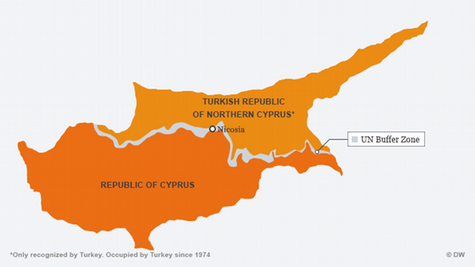
Cyprus has been divided since 1974, when Turkey occupied the northern third of the island in response to a Greek Cypriot coup aiming to annex Cyprus to Greece. The Turkish-occupied north declared itself the Turkish Republic of Northern Cyprus, recognized only by Turkey. The international community recognizes the entire island as the Republic of Cyprus, with Nicosia remaining the world’s only divided capital.
The island’s division complicates two major foreign policy objectives: joining the Schengen Zone and NATO. President Nikos Christodoulides expects Cyprus to join Schengen in the first half of this year. While most technical requirements have been met, some EU members remain concerned about border control.
Cyprus has also ceased arms purchases from Russia and is modernizing its military with equipment from Western and other partners to align with EU and NATO standards.