


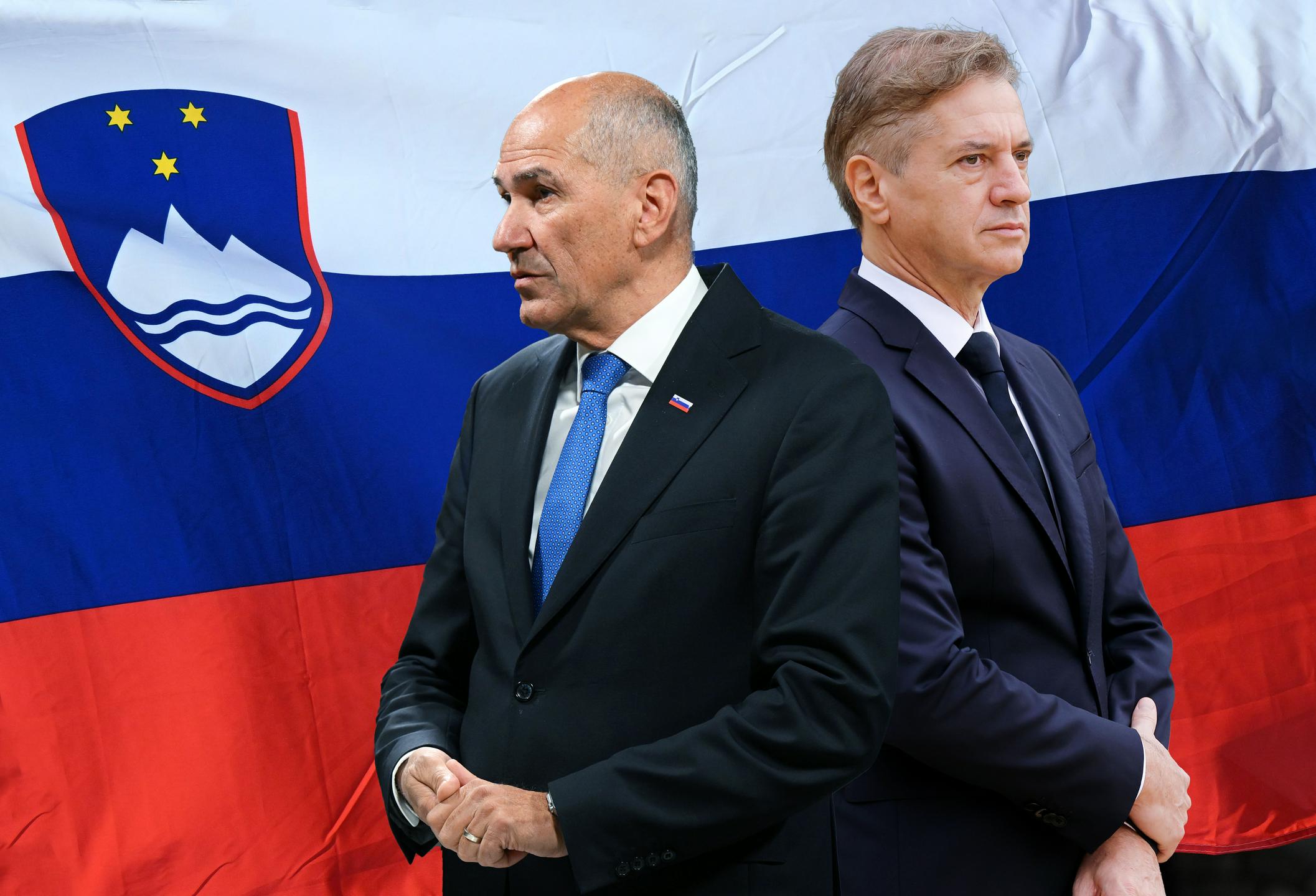
Slovenia’s Prime Minister Robert Golob is expected to remain in office after a closely contested parliamentary election that has left the country politically fragmented, analysts said, but the final outcome remains uncertain pending official certification.
Preliminary results show Golob’s Freedom Movement leading with around 28.6% of the vote, down from 41 seats in the previous parliament to an estimated 29, according to BBC Serbian and Dnevnik.hr. Opposition leader Janez Janša’s Slovenian Democratic Party (SDS) trailed with roughly 28%, while a coalition of the New Slovenia (NSi), Slovenian People’s Party (SLS), and Focus secured nine seats. Other parties, including the Social Democrats, Levica, Vesna, and the new party Resnica, each won between five and six seats. Two seats are reserved for Italian and Hungarian minority representatives.
Slovenia’s central election commission must account for postal ballots before final results are confirmed, expected by April 7. Nearly 1.7 million voters cast ballots for 90 seats in the Državni zbor, the national parliament.
Analysts attributed Golob’s late surge in support to his government’s rapid evacuation of Slovenian citizens from the Middle East, which enhanced his party’s image in the final campaign week. “The evacuation was very efficient and fast, and the government appeared competent,” said political analyst Aljaž Pengov Bitenc. He noted that Janša had attempted a late comeback using controversial online materials, including claims of involvement by a private Israeli security firm.
Golob acknowledged that forming a coalition will be challenging, but stressed that Slovenia’s sovereignty would remain non-negotiable. “We will not allow foreign interference,” he said. Janša warned that a fragmented parliament could lead to an unstable government and urged new elections to ensure stability, citing global energy crises as an immediate concern.
Political analyst Gorazd Kovačič noted that while Golob has more options for forming a ruling coalition, any coalition is likely to be fragile, especially with the entry of the new Resnica party into parliament.
France’s President Emmanuel Macron congratulated Golob on his election victory, emphasizing shared European democratic values, while Janša responded cautiously, signaling continued political contention.
Despite the tight results and calls for manual recounts, analysts said continuity in government appears likely, though Slovenia returns to a fragmented multiparty landscape. Observers say the coming weeks will involve complex negotiations over coalition formation, confirmation of mandates, and possible government reshuffles.