


Slovenia closed 2025 with modest economic growth, political debates over social policy and ongoing government challenges amid broader regional and domestic pressures, marking a year of cautious progress coupled with public contention.
Slovenia’s economy expanded slowly in 2025, with the government’s Institute of Macroeconomic Analysis and Development forecasting gross domestic product growth of about 0.8%, a significant downgrade from earlier projections, reflecting weaker domestic demand and external uncertainty. The country also faces a widening budget deficit, with the fiscal gap forecast to reach about €1.9 billion, up sharply from previous years, raising concerns about public finances.
On the political front, Slovenia held a high‑profile referendum in November on a law to legalise assisted voluntary end‑of‑life, following parliamentary approval of the measure earlier in 2025. Voters ultimately rejected the implementation of the law, reflecting deep public divisions on sensitive social issues.
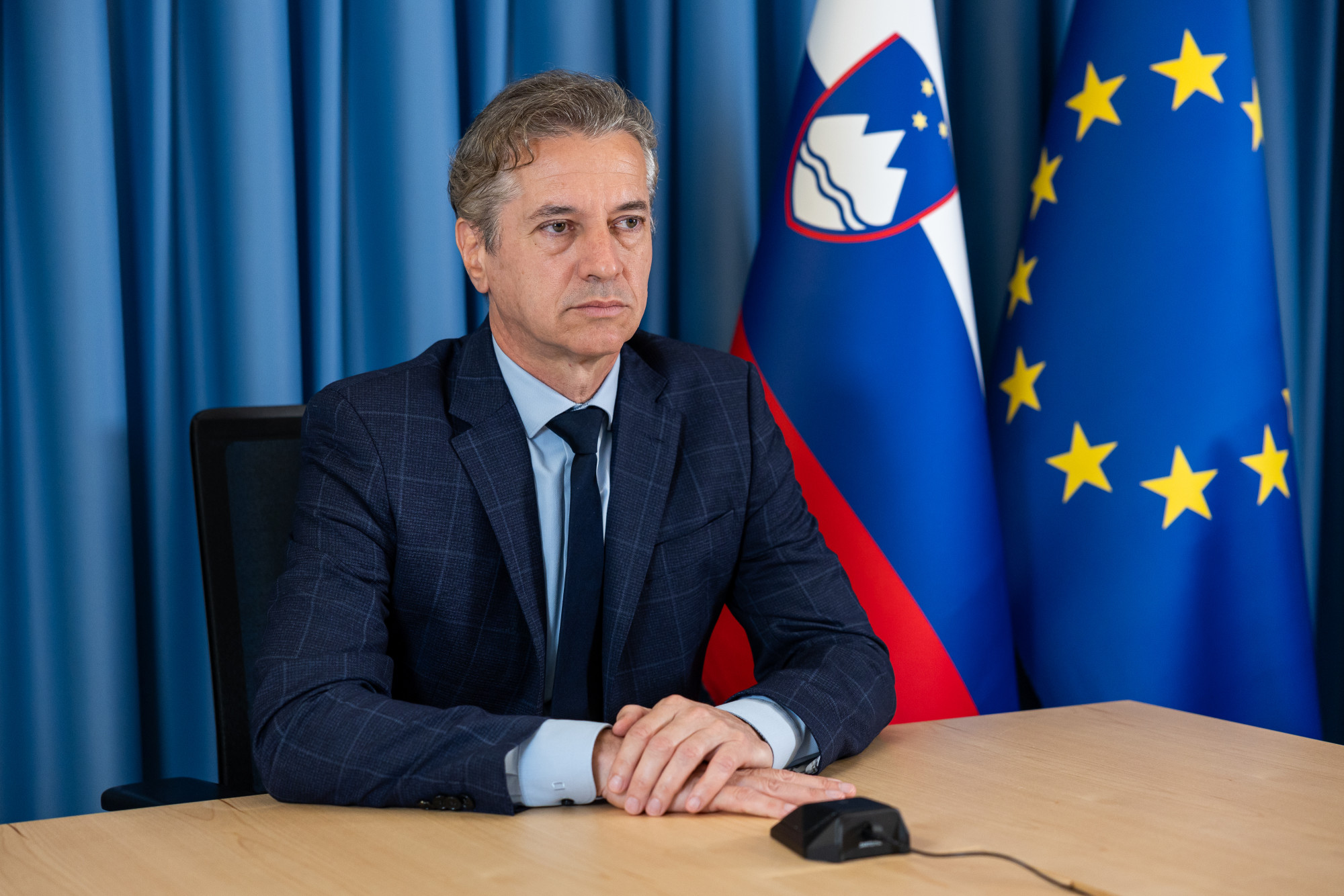
Domestic politics were also tested by a government shake‑up in October after the interior and justice ministers resigned in the wake of public outrage over the fatal beating of a man outside a nightclub. Prime Minister Robert Golob defended measures to counter ethnic hatred and pledged strict responses to serious crime following the resignations, underscoring underlying tensions within Slovenian society.
Security and defence remained priorities in Ljubljana. The government extended internal border controls with neighbouring Croatia and Hungary for another six months, citing regional instability and broader threats, and maintained commitments to rising defence spending in line with NATO obligations.
Slovenia also secured modest EU funding to support renewable energy projects and local energy communities in a bid to accelerate its green transition and improve energy resilience.
In international affairs, Slovenia continued its engagement within the European Union and Atlantic partnerships. The nation hosted NATO leaders’ visits and participated in alliance exercises, reinforcing its strategic role in regional security, and became a full member of the European Organization for Nuclear Research (CERN), enhancing its scientific cooperation within Europe.
Social and quality‑of‑life indicators showed mixed results. While Slovenia remains above the EU average on many quality‑of‑life measures, demographic challenges and productivity gaps persist, with reforms aimed at education, labour markets and low‑carbon development cited as priorities in recent government reports.
As 2026 approaches, Slovenia’s leadership faces the task of balancing fiscal stability, social cohesion and strategic investments in green energy and defence, even as political debates over societal values and public policy continue to shape the domestic dialogue.