


Heavy rainfall across the western Balkans triggered widespread flooding and landslides on Wednesday, forcing evacuations in parts of Albania and Montenegro and disrupting transport and power supplies, while authorities in North Macedonia warned residents to avoid affected areas.
In Albania, the coastal city of Durrës was among the hardest hit, with local officials saying more than 800 homes were flooded after torrential rain inundated streets and residential areas. Emergency teams evacuated at least 180 people from high-risk neighbourhoods as water levels continued to rise.
Authorities said the southern city of Gjirokastër also sustained extensive damage, with dozens of businesses and homes affected after streets turned into rivers. Local media broadcast footage showing vehicles submerged and residents wading through knee-deep water.
The government said rescue services remained on high alert as rain continued in parts of the country.
Across the border in Montenegro, heavy downpours caused rivers to burst their banks in and around the capital Podgorica, flooding homes and cutting road links. Several families were evacuated overnight from threatened areas, and schools were closed in some municipalities as a precaution, officials said. Power cuts were also reported in several locations.
Flood alerts were in force in parts of Bosnia and Herzegovina, where the Neretva river overflowed in Herzegovina, prompting the closure of the Nevesinje–Gacko road section. Emergency services warned that river levels remained unstable despite signs of easing in some areas.
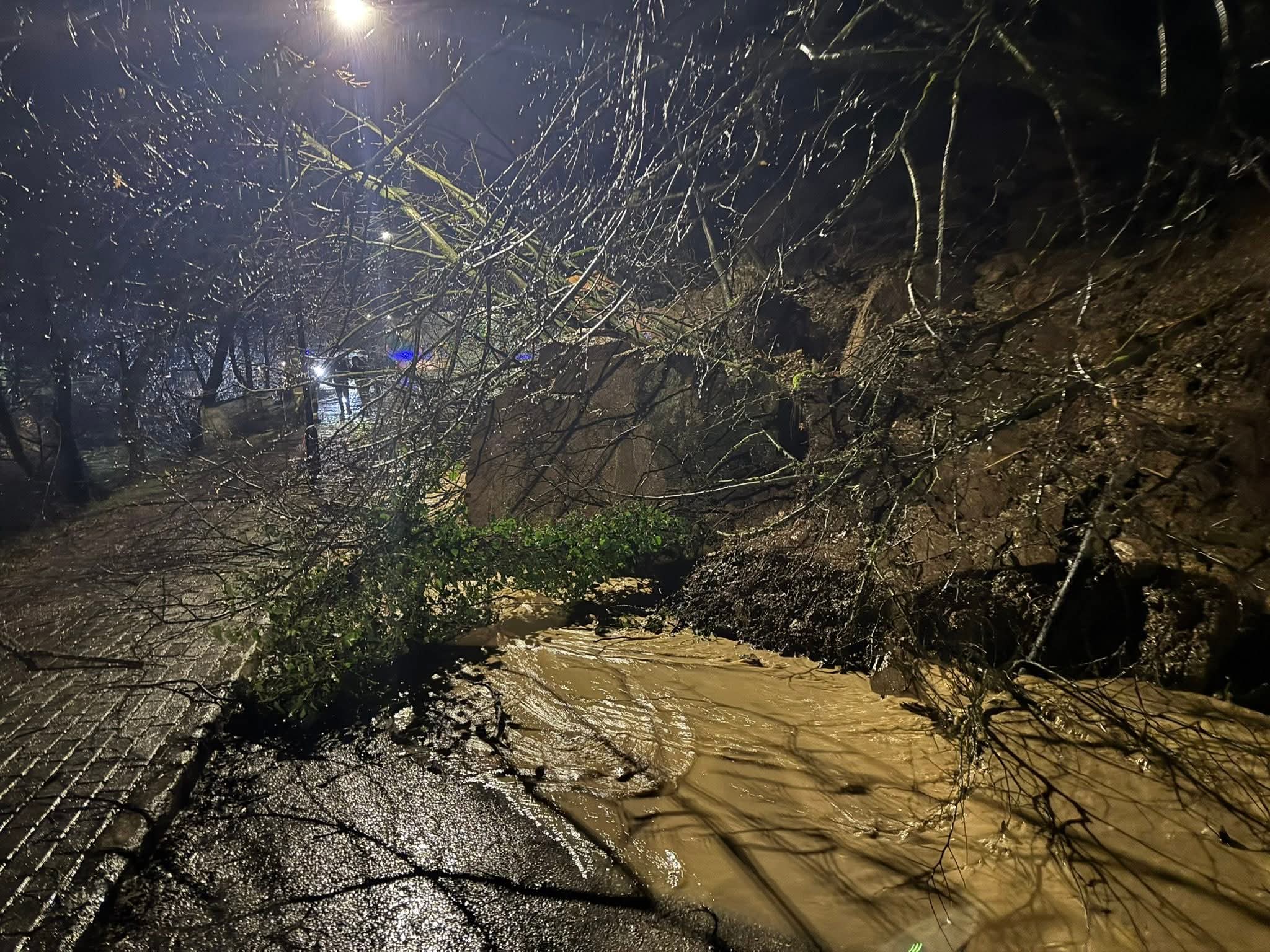
The severe weather also affected North Macedonia, where authorities reported a landslide on the road leading to Tetovo Spa (Banja e Tetovës) following persistent rain. The Municipality of Tetovo urged residents to avoid travelling through the area until conditions stabilise, saying teams were on site to monitor the situation.
Separately, officials said evacuations were carried out in the western town of Kičevo after water flooded several residential buildings on “Prilepska” street, while basements and ground floors were reported flooded in Ohrid following overnight downpours. Civil protection units and municipal crews were working to pump out water and assess damage.
No casualties were immediately reported in any of the affected countries.
Meteorological services across the region warned that saturated ground increased the risk of further flooding and landslides, although rainfall was expected to gradually weaken in the coming days.
The Balkans are periodically hit by severe floods during the autumn and winter months, when prolonged rainfall can overwhelm ageing drainage and river-defence systems.