


Health authorities in Croatia and Romania have confirmed a small number of isolated leprosy cases, a rare bacterial disease that is largely controlled globally and poses a low risk of transmission, officials said on Monday.
Croatia reported a single case involving a foreign worker, while Romania confirmed two cases in women. Leprosy, also known as Hansen’s disease, is a chronic infection caused by Mycobacterium leprae, characterised by a long incubation period and the slow onset of symptoms.
Medical experts said the disease spreads mainly through prolonged, close contact with an untreated patient, typically via respiratory droplets from the nose and mouth during coughing or sneezing. It is not easily transmitted, and casual contact such as handshakes, hugs or sharing meals does not pose a significant risk.
According to the World Health Organization (WHO), more than 95% of people are naturally immune to the bacterium, meaning most exposed individuals do not develop the disease. Around 150,000 new cases are reported globally each year, mostly in India, Brazil and Indonesia, while cases in Europe remain extremely rare.
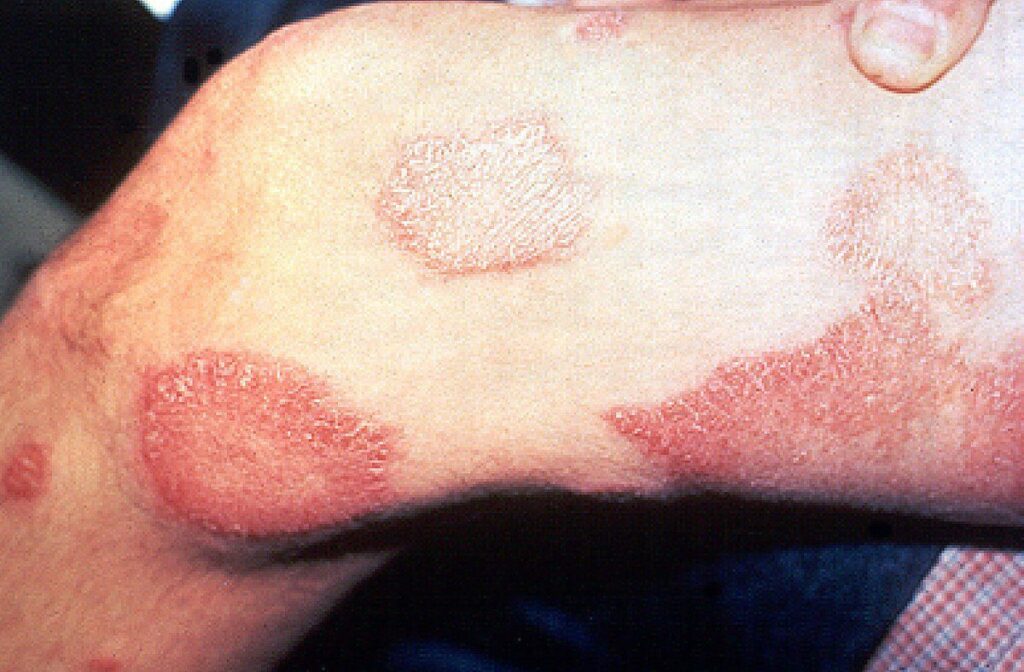
Symptoms can appear years after infection and often include skin lesions with loss of sensation and damage to peripheral nerves, leading to numbness or weakness in the limbs. If left untreated, leprosy can cause severe neuropathy and permanent deformities.
Health authorities stressed that leprosy is curable. WHO-recommended multidrug therapy, combining at least three antibiotics, is typically administered for six to 12 months, depending on the form of the disease. Early diagnosis and timely treatment quickly reduce the risk of transmission.
Preventive measures include monitoring and treating close contacts of patients, often with a single preventive dose of the antibiotic rifampicin. In some cases, vaccination with the BCG vaccine can provide additional protection, experts said.