


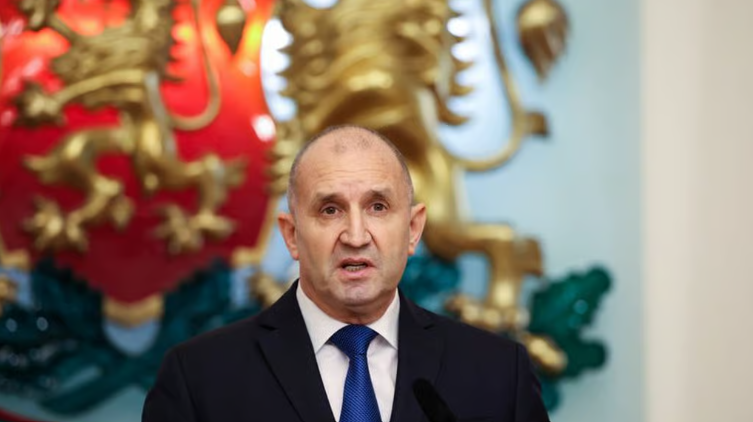
SDSM leader Venko Filipche congratulated Bulgaria’s newly elected Prime Minister Rumen Radev, expressing hope for a constructive and pragmatic approach in relations between North Macedonia and Bulgaria.
In his message, Filipche said good neighborly relations should be built in the interest of citizens from both countries, while respecting the Macedonian national identity, language and culture.
He stressed that North Macedonia remains firmly committed to its European future and described EU integration as the country’s only path forward.
Filipche also criticized political opponents, claiming that certain political structures were deliberately blocking the European process and creating tensions with neighboring countries for political gain.
“The solution lies in constructive dialogue, respect for European principles and protection of national identity,” Filipche said, adding that joint efforts were needed to secure a better future and higher living standards.
Following his statement, VMRO-DPMNE issued a sharp response accusing the SDSM leader of “courting” Bulgaria’s new prime minister.
The ruling party questioned whether Filipche “answers to Radev or to Zoran Zaev,” arguing that his messages run counter to Macedonian national interests.
“At a time when Macedonia remains blocked by Bulgaria through bilateral demands, Filipche rushed to congratulate Radev and stand on his side,” VMRO-DPMNE said in a statement.
The party added that Radev had previously expressed positions regarding Macedonian identity, language and history, making it unrealistic to expect a shift in Bulgaria’s policy toward North Macedonia.
VMRO-DPMNE further accused SDSM and Filipche of being prepared for new concessions toward Bulgaria and continuing the policies of former Prime Minister Zoran Zaev.
“Instead of defending state interests, they are once again sending the message that they are ready for further concessions,” the party said.
Bulgaria formed a new government 18 days after the latest snap parliamentary elections, after Rumen Radev and 18 ministers were sworn in before the National Assembly.
Radev was elected prime minister with 124 votes in favor, while his cabinet received backing from 122 lawmakers.
In his first address, the new Bulgarian prime minister outlined the government’s main priorities, including tackling soaring prices, inflation, the budget deficit, judicial reforms and securing funds from the EU Recovery and Resilience Plan.
Radev announced that a legislative package aimed at limiting price increases would be submitted to parliament on Monday. He said the government would avoid imposing direct price caps but would instead introduce market oversight mechanisms to prevent speculation.
The new prime minister also announced amendments to the Judicial System Act, describing them as a prerequisite for reforming the Supreme Judicial Council and its Inspectorate.
“We have no illusions about the crises and challenges facing this government — soaring prices, record inflation and deficits, budget problems, lack of reforms, a difficult global economic and energy crisis and escalating conflicts,” Radev said.
He stated that the government’s goal was to accelerate Bulgaria’s modernization and guarantee security and prosperity for citizens.
“We will work to dismantle the oligarchic model that captured the state and restore justice,” Radev said.
The opposition signaled that the new government may not receive the traditional 100-day grace period.
GERB-SDS announced it would not support the cabinet but would abstain during votes out of respect for the election results. “Democratic Bulgaria” argued that the old political model does not appear threatened, while “We Continue the Change” said dismantling the system had merely been postponed.
The nationalist “Vazrazhdane” party also announced it would not support the government due to ideological differences, insisting on a sovereign state, national currency and strong domestic economy.
Following the parliamentary vote, a formal transfer-of-power ceremony was held between the caretaker government of Andrey Gyurov and Radev’s cabinet.
Gyurov handed over reports and analyses on the country’s current situation, alongside documents prepared by each ministry.
Radev announced that one of his first actions would be appointing a new director of DANS, Bulgaria’s State Agency for National Security, while also prioritizing measures targeting inflation and consumer prices.
Vice President Iliana Yotova said citizens expect quick and decisive results from the new government, especially regarding the 2026 budget, inflation and judicial reform.
According to a survey by Myara, most Bulgarians expect the new authorities to first adopt the state budget, then curb price increases and launch a review of the previous political model.