


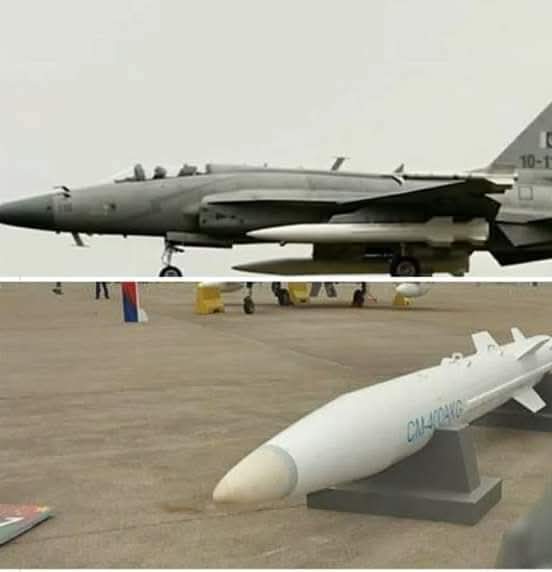
Warnings about long-range missile capabilities and inflammatory remarks by political figures have heightened tensions between Serbia and Croatia, drawing renewed international attention to security dynamics in the Western Balkans.
The latest controversy was triggered by comments from former Croatian defence minister Ante Kotromanović, who said Zagreb could respond to Serbia’s growing missile arsenal with its own long-range strike systems, including U.S.-supplied HIMARS and air-launched cruise missiles deployable from Rafale fighter jets.
Kotromanović said such capabilities could be used to target strategic sites, including Belgrade, prompting swift condemnation from Serbian officials, who described the remarks as “dangerous” and “irresponsible”.
Serbia defends military build-up
Officials in Belgrade insist their military modernisation is defensive in nature. Allies of President Aleksandar Vučić say Serbia is strengthening its armed forces to deter threats, not provoke conflict.
“Serbia’s policy is one of peace and stability,” said senior ruling party official Milenko Jovanov, adding that strengthening the military was a necessary response to perceived regional risks.
The dispute comes amid growing focus on Serbia’s acquisition of Chinese-made CM-400AKG air-to-surface ballistic missiles, a system analysts say is unique in Europe outside of Russia.
European media highlight strike range
German-language and Swiss media have underscored the potential reach of the system, warning it could cover large parts of Croatia. According to analysis cited by the Swiss daily Neue Zürcher Zeitung, aircraft armed with such missiles could strike targets deep inside Croatian territory without leaving Serbian airspace.
Zagreb, located roughly 200 km from the Serbian border, would fall within range, while extended estimates suggest the system could reach “almost the entire country.”
The report noted that Serbia has confirmed the acquisition publicly, while defence analysts highlighted that the CM-400 is primarily used by countries such as Pakistan and represents an entry point for Chinese military technology into Europe.
NATO concerns and regional response
The development has drawn attention from NATO. Croatian Prime Minister Andrej Plenković has raised the issue with NATO Secretary General Mark Rutte, emphasizing Croatia’s status as a member of the alliance, while Serbia remains a partner country with a policy of military neutrality.
Observers say the episode reflects broader strategic competition in the region, where countries are increasingly investing in advanced weapons systems amid lingering mistrust dating back to the conflicts of the 1990s.
Balancing between East and West
Analysts point to Serbia’s multi-directional procurement strategy as a key factor behind rising concern. Belgrade has purchased military equipment from China, Russia, France and Israel, while simultaneously pursuing European Union membership and maintaining cooperation with NATO through joint exercises.
German public broadcaster ARD described the missile purchase as part of a broader “geopolitical balancing act,” noting that more than half of Serbia’s recent military imports are believed to originate from China.
Vučić has said Serbia does not intend to join NATO and will maintain military neutrality, while denying any intention to threaten neighbouring countries.
War rhetoric fuels political tensions
Despite official reassurances, rhetoric on both sides has intensified. Serbian officials have accused regional actors of forming alliances against Belgrade, while Croatian leaders have responded cautiously, framing such claims as part of a familiar political narrative.
Vučić has also accused critics abroad of ignoring Serbian victims from past conflicts, further complicating already strained relations.
Risk of escalation remains low, but concerns persist
Security experts say the likelihood of direct conflict remains low, given NATO’s presence in the region and the broader European security framework. However, they warn that increasingly aggressive rhetoric and high-profile weapons acquisitions risk fuelling nationalist sentiment and destabilising fragile political balances.
As both sides continue to modernise their armed forces and exchange accusations, the episode underscores how unresolved historical grievances and evolving military capabilities continue to shape the geopolitical landscape of the Western Balkans.