


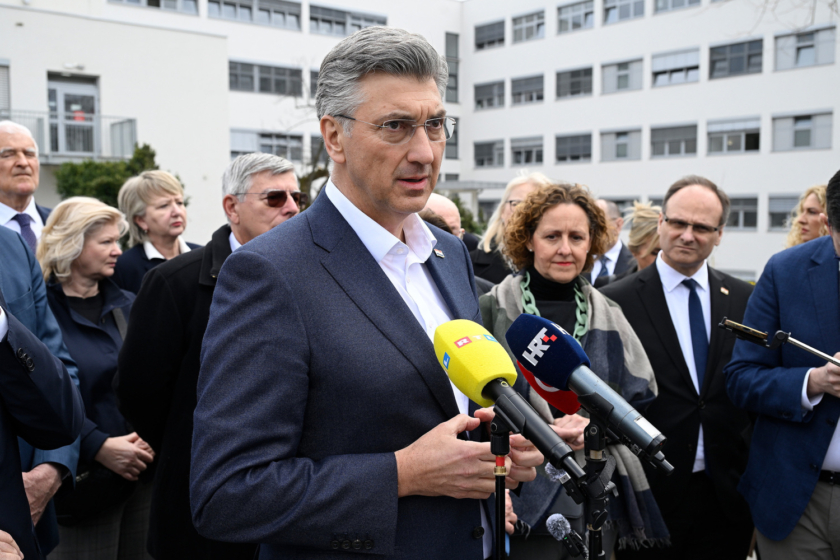
Andrej Plenković said on Saturday the government would take measures to soften the impact of rising energy prices triggered by escalating conflict in the Middle East, while warning that increases are unavoidable.
Speaking to reporters after visiting sites rebuilt following the 2020 Zagreb earthquake, Plenković said oil price rises would feed through to consumers, but that the government would intervene to limit the burden on households and businesses.
“We will use the tools at our disposal to mitigate the increase. We cannot pretend that the price of a barrel of oil is the same as before,” he said. “There will be some rise in prices, but the government will act to ensure it is manageable.”
He said Croatia would extend existing electricity price controls, while gas prices remain regulated until October. Additional measures are being prepared for vulnerable energy consumers and farmers, who are particularly exposed to rising fuel costs, including so-called blue diesel used in agriculture.
Plenković warned the energy shock could be more severe than the one triggered by Russia’s invasion of Ukraine, citing supply disruptions following reported attacks on energy infrastructure in the Gulf region.
“If oil fields and refineries are hit, the time needed to restore supply will be longer,” he said, referring to assessments by the International Energy Agency.
He added that fuel prices could rise sharply, with estimates pointing to a roughly 20% increase in diesel, about 15% in gasoline and close to 30% in agricultural diesel. Despite this, he said pump prices would remain below peak levels seen during the previous energy crisis.
“The increase is significant, not negligible, but these are prices citizens have already faced in recent years,” Plenković said.
The government is working on a broader package of measures to address the impact of the crisis on the economy, he added.