


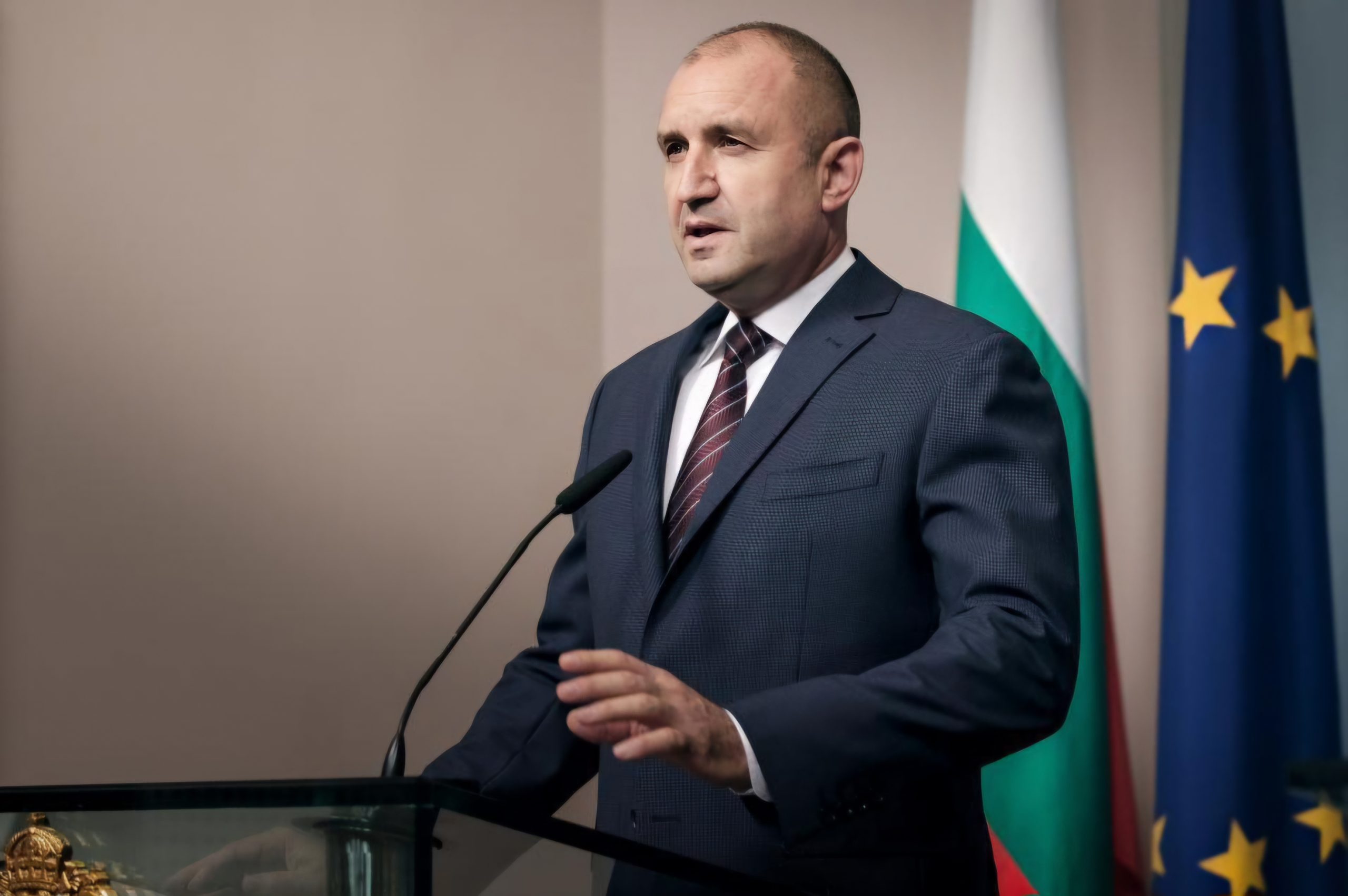
Bulgarian President Rumen Radev warned on Monday that adopting the euro without adequate social and financial safeguards could harm the country’s most vulnerable citizens.
Speaking to reporters, Radev said all public institutions must adhere strictly to the law, including the speaker of parliament. He refrained from commenting on the Constitutional Court’s obligations but stressed that legal frameworks must be respected.
The president criticized the government’s preparation for joining the eurozone, saying it lacked a clear social impact assessment and risk management strategy. “Those who requested the extraordinary convergence report owe answers to the Bulgarian people,” he said, accusing officials of prioritizing advertising campaigns and logistical readiness over the concerns of citizens facing severe social and economic difficulties.
He warned that price increases could begin even before the euro is introduced, citing experiences from other countries. “There’s a sustained rise in prices — especially in services — following the publication of the convergence report,” Radev said. “Significant inflation could occur months before the euro’s official adoption.”
Bulgaria, the EU’s poorest member state, has over 1.3 million citizens living below the poverty line, according to official data.
“The risk of sudden impoverishment is real,” he said. “People from socially vulnerable groups may see their living standards collapse within months, while the economy could take years to recover. Preventive measures are needed now — not after the euro is adopted.”
Radev also reiterated his proposal for a referendum on whether the euro should be introduced in 2026, stressing that he is not against euro adoption itself, but supports giving the public a voice on the timeline.