


Bosnia and Herzegovina closed 2025 confronting persistent political tensions between its ethnically divided entities, modest economic challenges and cautious progress toward European Union support, underscoring the fragility of the post‑Dayton peace framework.
The European Commission approved Bosnia’s long‑awaited Reform Agenda in December, paving the way for up to €976.6 million in support under the EU’s Growth Facility aimed at accelerating green and digital transition, private‑sector development and rule‑of‑law reforms. The funding can be accessed once the accompanying agreements are signed and ratified and conditions fulfilled.
Despite the EU step, Bosnia’s path toward accession and deeper integration remains uneven. Internal political divisions, particularly between the central state and the Serb‑majority entity of Republika Srpska (RS), have repeatedly stalled reform progress and raised constitutional concerns. RS authorities have pursued measures that critics say erode state judicial and law‑enforcement competencies, complicating efforts to strengthen national institutions.
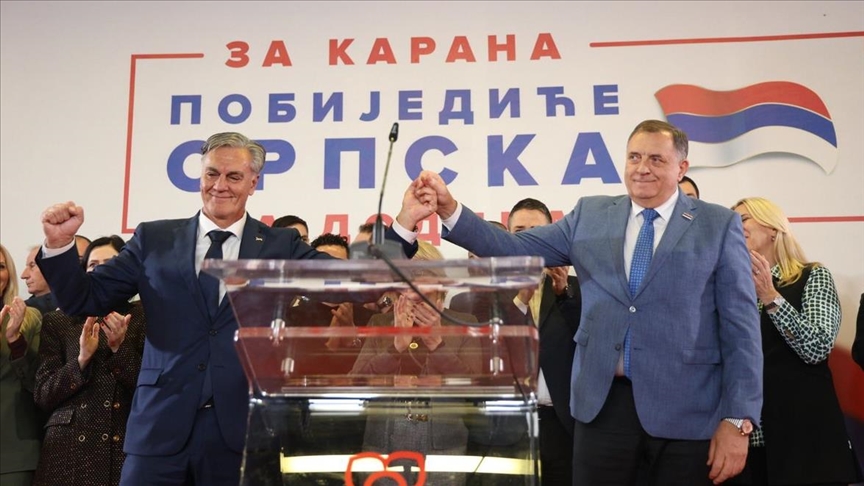
In November, voters in RS elected Sinisa Karan, a close ally of former entity leader Milorad Dodik, in a snap presidential contest that highlighted enduring nationalist influence despite Dodik’s removal from office on legal grounds earlier in the year.
Economic data pointed to headwinds. Industrial output fell sharply in November, the steepest contraction in months, reflecting weak domestic demand and broader economic pressures. Annual inflation in Bosnia edged up to 4.4 per cent in November, driven by higher housing and transport costs. The International Monetary Fund said growth had remained resilient in 2025 but warned that political tensions and policy slippages ahead of 2026 elections pose downside risks.
On migration and security, the European Union committed €13.5 million to strengthen Bosnia’s management of irregular migration and organised crime, working with international partners to align practices with EU standards and improve border governance.
Social and humanitarian challenges persisted. The country grappled with air pollution concerns in Sarajevo, ranking among the world’s more polluted cities in October. In November, a deadly fire at a retirement home in Tuzla killed at least 17 people and injured dozens more, prompting questions about safety and infrastructure readiness.
Bosnia’s media landscape also faced scrutiny, with rising online news consumption shadowed by transparency gaps in portal ownership and editorial practices, according to a UNESCO study.
The legacy of the 1990s conflict continued to resonate: the 30th anniversary of the Srebrenica genocide was commemorated in July, a “painful reminder” of the war’s unresolved wounds and ongoing political sensitivities.
As 2026 approaches, Bosnia and Herzegovina faces the dual challenge of advancing structural reforms tied to EU support and managing deep political divides that threaten governance coherence and long‑term economic resilience.