


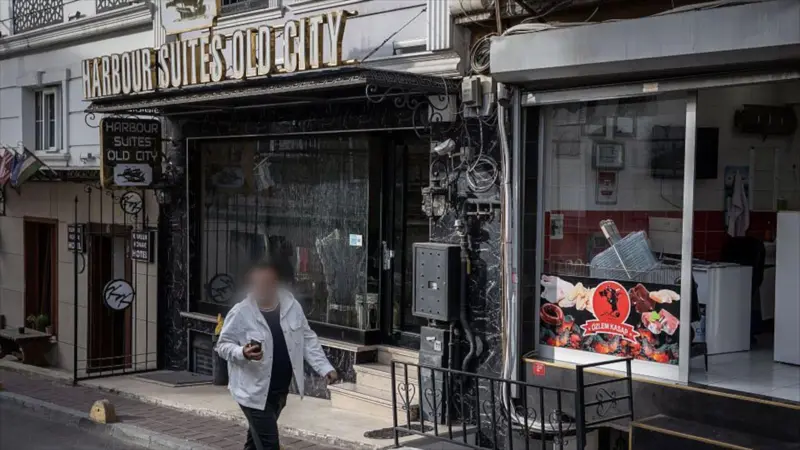
A trial in Türkiye over the deaths of a family allegedly exposed to toxic pesticide fumes in an Istanbul hotel is drawing renewed attention to safety standards in the hospitality sector and the use of hazardous chemicals.
Prosecutors say a Turkish-German family of four died after inhaling phosphine gas, a highly toxic substance released from pesticides used to combat pests. The family fell ill during a stay in November and later died in hospital, according to court documents.
An autopsy found a “high concentration of phosphine” in their bodies, while investigators said the gas likely spread through ventilation from a room below where insecticide had been applied.
Six defendants, including the hotel owner and senior staff from a pest control company, are on trial facing charges of negligent homicide. Five of them are in custody and could face up to 22.5 years in prison if convicted.
Prosecutors allege the pest control company was operating without a licence and that the employee who carried out the disinfection lacked proper certification.
Denials and evidence
On the first day of the trial, the hotel owner denied responsibility, telling the court he did not believe the deaths were linked to pest control operations. The owner of the pest control company also rejected allegations of negligence.
Court filings include forensic evidence showing traces of phosphine on towels and surfaces inside the hotel room, while surveillance footage reportedly shows the family seeking help as their condition worsened.
Second case raises concerns
The case is not isolated. In a separate incident in August, two Dutch teenagers died in another Istanbul hotel after exposure to pesticide fumes, according to Turkish media and forensic reports.
Authorities detained several individuals in connection with that case, which also involved aluminium phosphide — a chemical that releases phosphine gas when it reacts with moisture.
Calls for tighter controls
The incidents have prompted calls for stricter regulation of pesticide use in hotels and other public spaces.
Phosphine gas, commonly used in agriculture to protect stored grain, can be lethal even at low concentrations. Experts warn that exposure can lead to severe poisoning within minutes, with symptoms including vomiting and respiratory distress.
Industry groups and safety advocates say improper use of such chemicals, particularly in enclosed environments, poses significant risks and requires tighter oversight.