


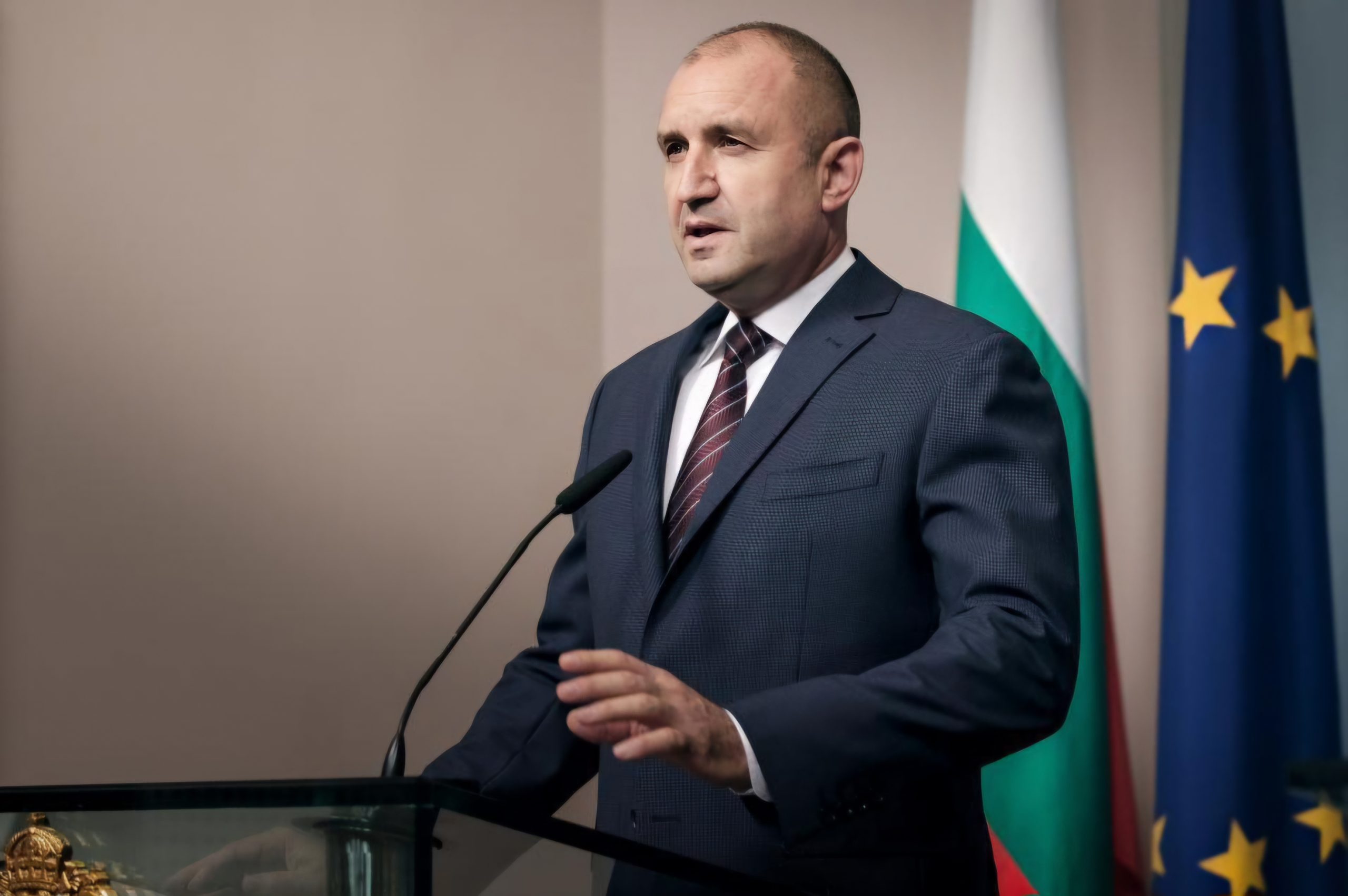
Bulgaria is heading into its eighth parliamentary election in five years, with former president Rumen Radev leading in the polls on a platform centered on fighting corruption, raising questions about potential shifts in the country’s domestic and foreign policy.
The April 19 vote follows the collapse of the government in December after mass protests over budget policies, highlighting ongoing political instability.
Radev’s campaign, led by his newly formed Progressive Bulgaria party, has dominated the public space, with his image taking center stage in political messaging.
A former military pilot and two-term president, Radev has positioned himself as an alternative to the political establishment, pledging to “dismantle the corrupt model” and return power to the citizens.
Polls suggest his party could secure around 34% of the vote, well ahead of the center-right GERB-SDS alliance, which trails at roughly 20%.
However, the fragmented political landscape points to difficult coalition-building, with uncertain alliances and the likelihood of prolonged negotiations.
Inflation and corruption have emerged as the main campaign issues. Surveys show that rising prices are the top concern for voters, particularly after the adoption of the euro earlier this year and increasing energy costs linked to conflicts in the Middle East.
Radev’s support base appears to be split between pro-Russian voters and those focused on anti-corruption reforms, which analysts say explains his cautious and often ambiguous messaging.
His positions, including criticism of sanctions on Russia and opposition to military support for Ukraine, have raised concerns among pro-European circles and sparked debate about Bulgaria’s future direction within the European Union.
Analysts say the election outcome could have significant implications not only for domestic politics but also for Bulgaria’s role in the EU amid rising geopolitical tensions.
As voters head to the polls, two key questions remain: whether Bulgaria will secure a clearly pro-European majority government and whether the country will finally address its longstanding corruption issues.