


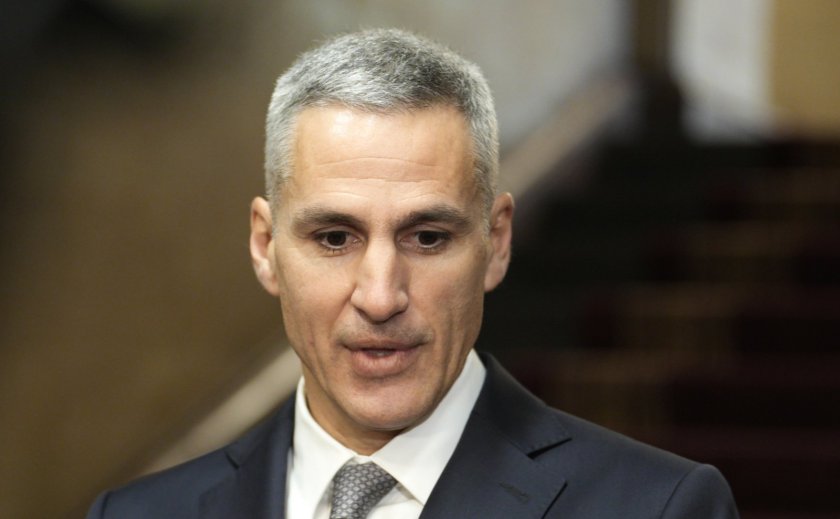
Bulgaria’s caretaker government will continue to operate with integrity, responsibility, and teamwork despite mounting criticism, Prime Minister Andrey Gyurov said at the start of a regular cabinet meeting on Wednesday.
Gyurov said the administration had come under attacks in recent days that appeared to be part of a broader campaign, even though ministers are not contesting elections, do not represent political parties, and are not fielding candidates.
“The attacks coincided with investigations and arrests related to vote-buying, as well as with the announcement of a comprehensive package of measures aimed at curbing rising prices,” Gyurov said. He added that the measures would focus on tackling inflation at its source rather than providing direct cash handouts.
He also referred to reports of a shared trip involving the head of the prosecution service — the only authority able to investigate corruption — and a figure he described as emblematic of corruption within the judiciary.
“Whether these coincidences and attacks are accidental or not, our team will continue to act consistently, transparently, and within the law,” Gyurov said.
The prime minister said anti-inflation measures would be implemented, the interior ministry would ensure elections are conducted according to the rules, and the justice minister would seek disciplinary accountability for magistrates accused of improper conduct.
“Regardless of where the attacks come from, we will continue to work with integrity, responsibility, and as a team,” Gyurov said.
Bulgaria has faced prolonged political instability in recent years, marked by repeated parliamentary elections and difficulties in forming durable coalition governments. As a result, the country has frequently been governed by caretaker administrations appointed by the president to oversee state functions and organise elections.
Caretaker governments in Bulgaria are tasked with ensuring institutional continuity, preparing and conducting elections, and avoiding major long-term policy decisions. However, they often operate in a highly politicised environment, with competing parties accusing them of bias or overreach.
Concerns over electoral integrity have been a recurring issue. Authorities have periodically launched investigations into alleged vote-buying networks, particularly in the run-up to elections, prompting increased scrutiny of law enforcement and judicial bodies.
At the same time, Bulgaria has been grappling with elevated inflation following global energy shocks and supply disruptions in recent years. Governments have come under pressure to introduce measures to curb price rises while maintaining fiscal discipline.
The judiciary has also remained a focal point of political tension. Critics, including civil society groups and some political actors, have long raised concerns about corruption, accountability and the independence of prosecutors, making any allegations involving senior judicial figures especially sensitive.
Against this backdrop, statements by caretaker officials — including Prime Minister Andrey Gyurov — are often interpreted through the lens of broader political rivalries, ongoing anti-corruption efforts and preparations for upcoming elections.