


North Macedonia’s police have charged three men from Skopje with forming a criminal group and illegally possessing weapons, following an investigation into an alleged plot motivated by extremist ideology and revenge for relatives convicted of terrorism-related offences, the Interior Ministry said on Saturday.
The Interior Ministry said criminal complaints were filed against the three suspects, aged 25, 29 and 33, after an investigation led by its counterterrorism and violent extremism unit in coordination with the country’s organised crime prosecutor’s office.
According to authorities, the suspects are accused of “criminal association” and the illegal manufacture, possession and trade of weapons and explosive materials, offences that carry lengthy prison sentences under North Macedonian law.
Investigators believe the men acted in an organised and coordinated manner and were motivated by radical Islamist narratives. The Interior Ministry said the group allegedly planned acts of revenge linked to their brothers, who were convicted last year for participation in a terrorist organisation.
“The evidence collected so far indicates ideological alignment with extremist structures and deliberate efforts to obtain weapons,” the ministry said in a statement, without providing further operational details.
Police said the suspects are also believed to have raised funds both domestically and abroad, which investigators suspect were intended to support propaganda and activities linked to the so-called Islamic State militant group, as well as to finance the procurement of weapons.
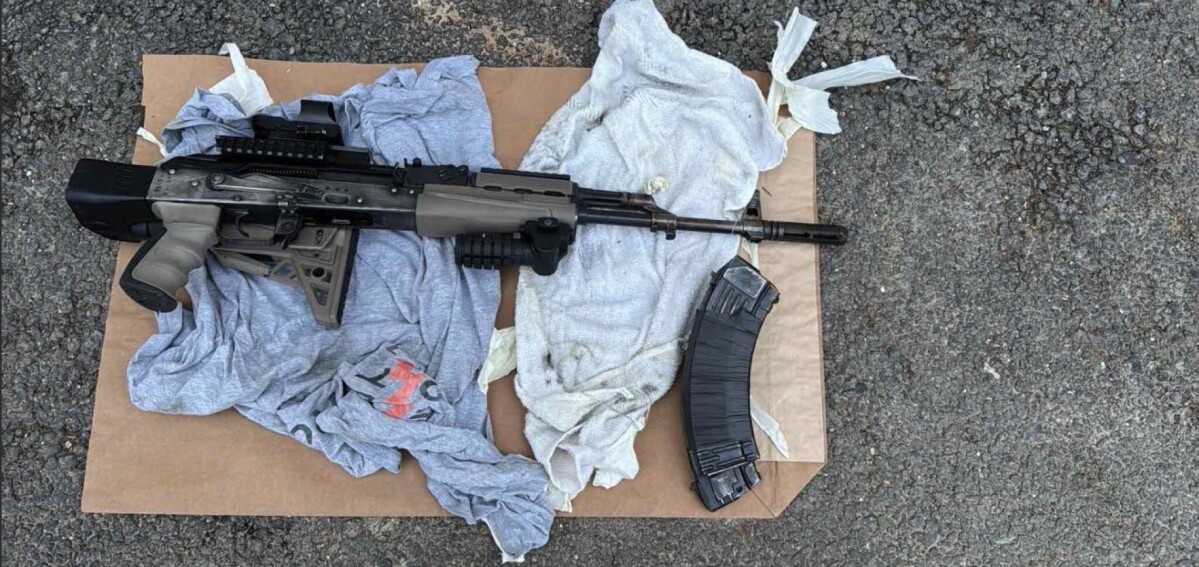
Searches conducted on Friday at multiple locations in Skopje, authorised by the criminal court and overseen by prosecutors, led to the seizure of an automatic rifle with ammunition, two handguns, hunting and air rifles, a smoke grenade and various types of ammunition, police said.
North Macedonia, a NATO member since 2020, has faced intermittent security challenges linked to radicalisation over the past decade, particularly following the conflicts in Syria and Iraq. Dozens of citizens from the Western Balkans, including North Macedonia, travelled to join militant groups during the height of the Islamic State’s influence, prompting governments in the region to tighten counterterrorism laws and surveillance.
In recent years, Skopje has expanded its legal and institutional framework to address violent extremism, including criminalising participation in foreign terrorist organisations, strengthening financial monitoring and enhancing cooperation with Western intelligence services.
Officials say most returnees from conflict zones are now either imprisoned, under surveillance or enrolled in deradicalisation programmes, but warn that family and social networks can still pose security risks.
The Interior Ministry said the current case highlights the continued threat posed by radicalisation at the local level, particularly when combined with access to weapons.