


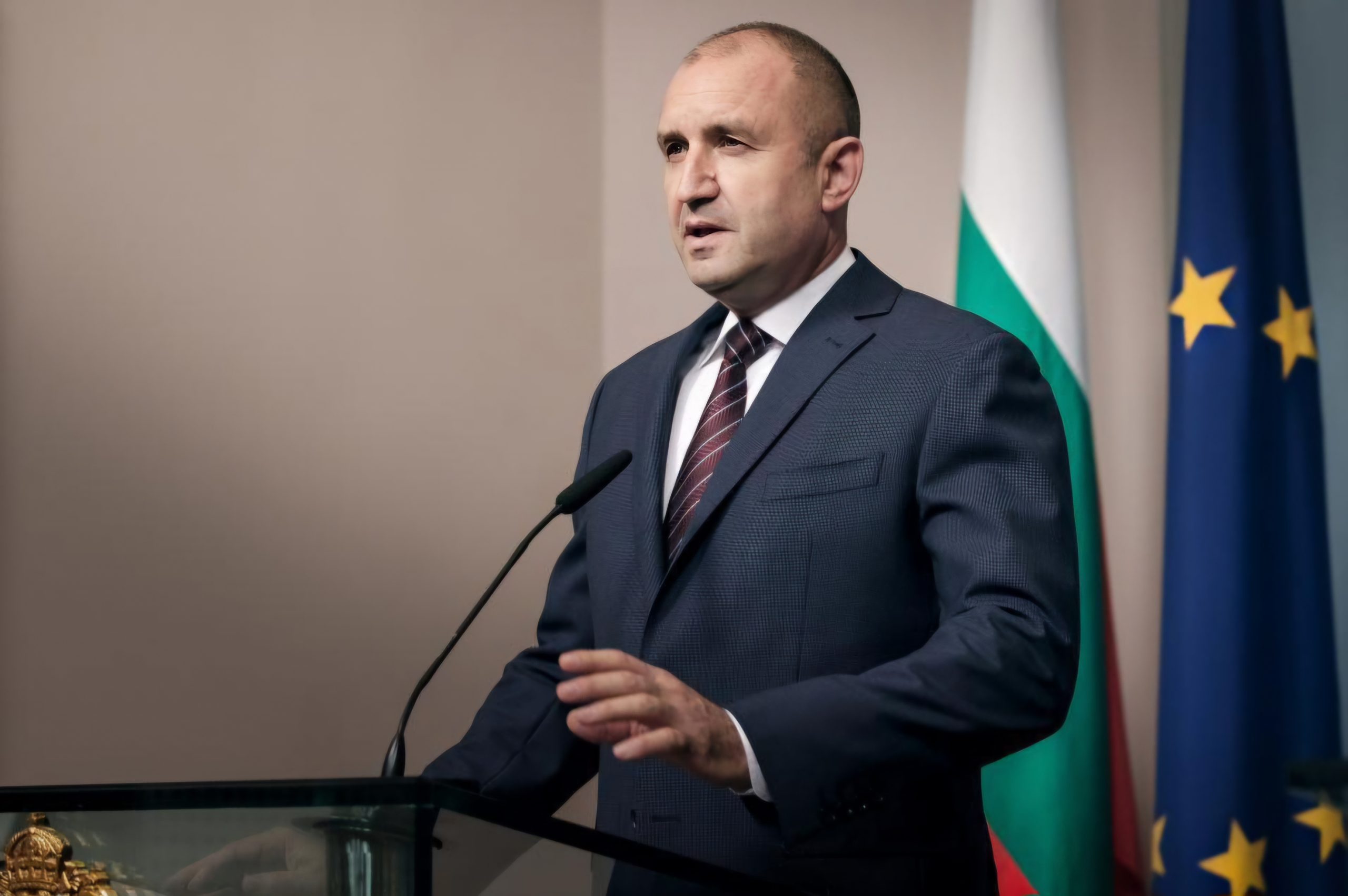
Bulgaria is set to hold its seventh consecutive parliamentary election since April 2021 after the Alliance for Rights and Freedoms (ARS) returned its mandate to form a government to President Rumen Radev.
The move follows the resignation of Prime Minister Rosen Zhelyazkov’s cabinet in December, which stepped down under pressure from the largest protests the country has seen in decades. The demonstrations were sparked by the government’s proposed 2026 budget, which was never adopted.
“Elections are inevitable,” Radev said after receiving the returned mandate from ARS leader Ahmed Dogan. The president now must announce a date for the vote.
Earlier this week, Radev had offered the mandate to form a government to Bulgaria’s two largest parliamentary forces, GERB and the We Continue the Change–Democratic Bulgaria coalition (PP-DB). Both parties returned the mandate.
Bulgaria has been caught in a cycle of early elections since the end of Boyko Borisov’s third government in 2021. Since then, a series of caretaker governments have been appointed by Radev, while only two full-term administrations, led by Kiril Petkov (2021–2022) and Nikolay Denkov (2023–2024), failed to complete their mandates.
In the meantime, PP-DB, GERB, and ARS have pushed through constitutional amendments limiting the president’s authority to appoint interim prime ministers, requiring the selection to come from a list of senior civil servants.