



Greece has publicly aligned itself with Somalia’s claim to territorial integrity at the United Nations, underscoring a rare divergence with close ally Israel following Israel’s decision to recognise the self-declared Republic of Somaliland.
Speaking at a special meeting of the U.N. Security Council this week, Greece’s ambassador to the United Nations, Aglaia Balta, warned against initiatives that could undermine Somalia’s stability, stopping short of naming Israel but making clear Athens’ opposition to unilateral recognition of breakaway territories.
“Initiatives that will introduce unnecessary turmoil in a country which has achieved tangible progress run counter to these efforts and raise concerns for regional stability,” Balta said, referring to Somalia.
Greece currently holds a non-permanent seat on the Security Council, a position that amplifies the diplomatic weight of its stance at a time of heightened sensitivity over separatist movements globally.
Cyprus precedent shapes Athens’ position
Greek officials say Athens’ position is rooted in long-standing policy shaped by the Cyprus conflict, where Turkey recognised a breakaway Turkish Cypriot entity following its 1974 invasion of the island – a move rejected by the international community.
For decades, Greece has argued that recognising breakaway regions sets dangerous precedents, a view that continues to inform its diplomacy at the United Nations and within the European Union.
“This is a matter of principle,” a Greek diplomatic source said, adding that Athens sees no scope for deviation regardless of bilateral ties.
Greece and Israel have significantly strengthened defence, energy and security cooperation in recent years, but Greek officials appear keen to signal that strategic alignment does not override core positions on sovereignty and international law.
Regional ripple effects feared
Greek diplomats privately warn that Israel’s move could embolden other states to pursue recognition of separatist regions, complicating already fragile geopolitical balances in Africa, Eastern Europe and the Middle East.
Balta also cautioned that instability in Somalia carries wider risks for the Horn of Africa, a region already affected by conflict, migration pressures and competition among regional and global powers.
Somalia’s internal turmoil “entails a serious spillover risk that can potentially export instability to the Horn of Africa and the wider region,” she told the council.
Turkey factor looms
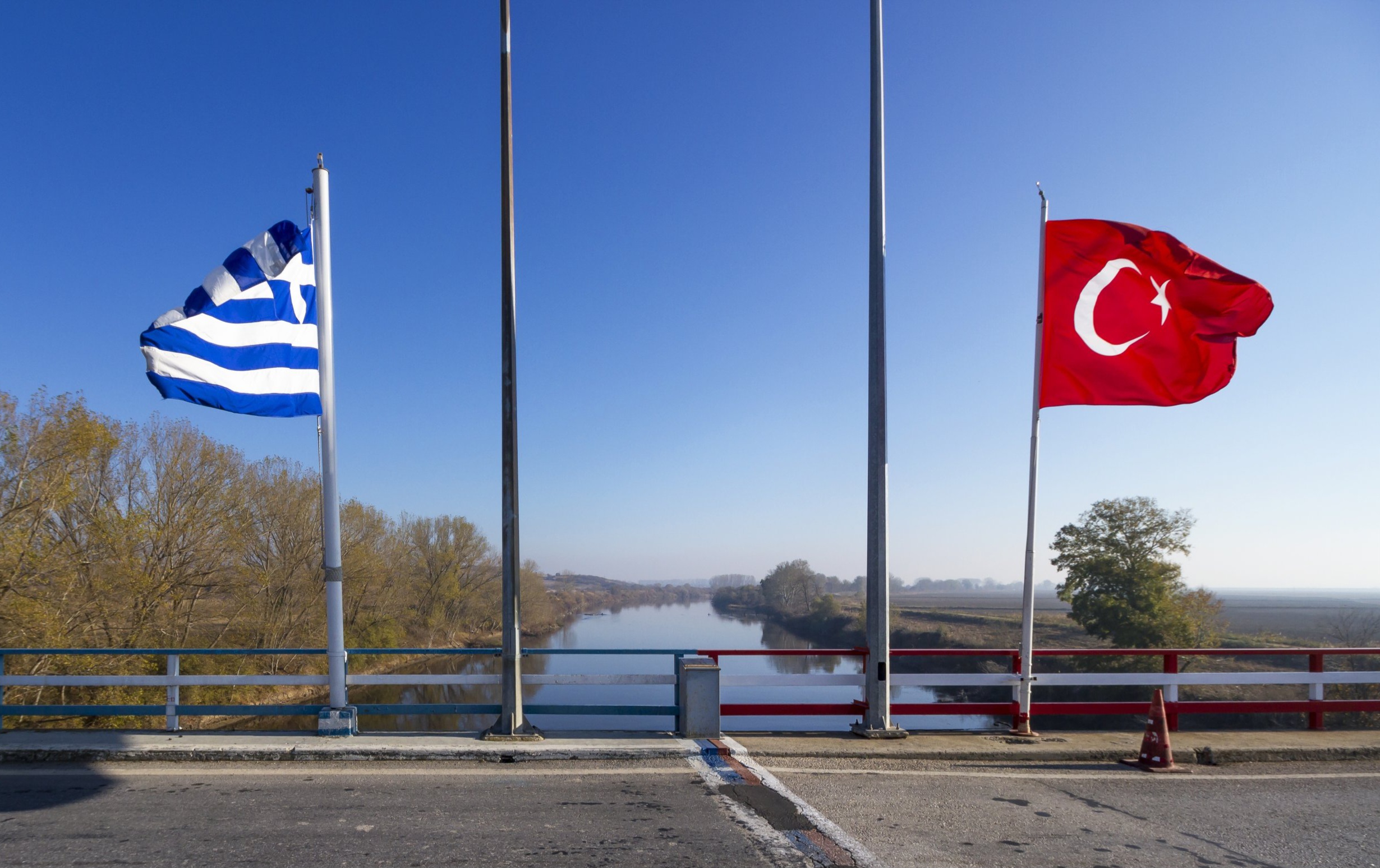
Turkey, meanwhile, has condemned Israel’s move as “illegal and unacceptable,” warning that it risks destabilising the region. President Recep Tayyip Erdogan, speaking alongside Somali President Hassan Sheikh Mohamud, signalled Ankara’s intent to deepen its strategic engagement in Somalia, including plans for offshore energy drilling and a potential spaceport, positioning Turkey as a key counterweight to Israel’s diplomatic initiative. Analysts suggest that the competing interests of Greece and Turkey in Africa reflect broader geopolitical rivalries, with both countries seeking influence over Somalia while balancing ties with Israel and the United States.
Athens is also closely watching Turkey’s expanding role in Somalia, where Ankara has invested heavily in security cooperation, infrastructure and energy exploration. Turkey has described Israel’s recognition of Somaliland as illegal and destabilising.
Greek officials view Turkey’s growing footprint in Mogadishu as part of a broader strategy to deepen influence in strategically sensitive regions, though Athens remains cautious about becoming directly entangled in Somali regional rivalries.
Despite its reservations, Greece has avoided overt confrontation with Israel over the issue, reflecting a broader effort to balance principle-driven diplomacy with pragmatic alliances.
For now, Athens appears intent on reinforcing international norms on sovereignty while signalling that, even among partners, red lines remain. (BV)