


Bulgaria closed 2025 amid renewed political uncertainty after months of economic pressure, public protests and the resignation of the government at the end of the year, undercutting efforts to stabilise the country after a prolonged period of fragmentation.
The year began with a fragile pro-European coalition promising to end chronic political deadlock and advance long-delayed judicial and anti-corruption reforms. While the government secured parliamentary backing for several measures, progress was uneven and public trust remained low following a series of elections in recent years.
Economic growth remained modest as inflation, though easing from earlier peaks, continued to strain household incomes. Rising food and energy prices fuelled a cost-of-living crisis, triggering repeated protests by workers, pensioners and small businesses demanding higher wages, tax relief and stronger social support.
Bulgaria made limited progress toward adopting the euro, with officials reaffirming their commitment to join the single currency once convergence criteria are met. Political instability and public scepticism, however, remained significant obstacles despite strong backing from the business community.
Energy security stayed high on the agenda as Sofia continued to diversify away from Russian gas, boosting imports via Greece and Turkey and expanding regional interconnectors. Bulgaria also strengthened its role as a transit country supplying gas to parts of the western Balkans.
The war in Ukraine continued to shape Bulgaria’s foreign and security policy. As a NATO and EU member on the alliance’s eastern flank, Bulgaria increased defence spending and logistical cooperation with allies, while domestic divisions limited the scope of public support for Kyiv.
Natural disasters, including floods in several regions, exposed weaknesses in infrastructure and emergency preparedness, intensifying calls for greater investment in climate resilience.
Relations with North Macedonia remained tense at times, with historical and identity disputes periodically resurfacing and complicating Skopje’s EU accession process.
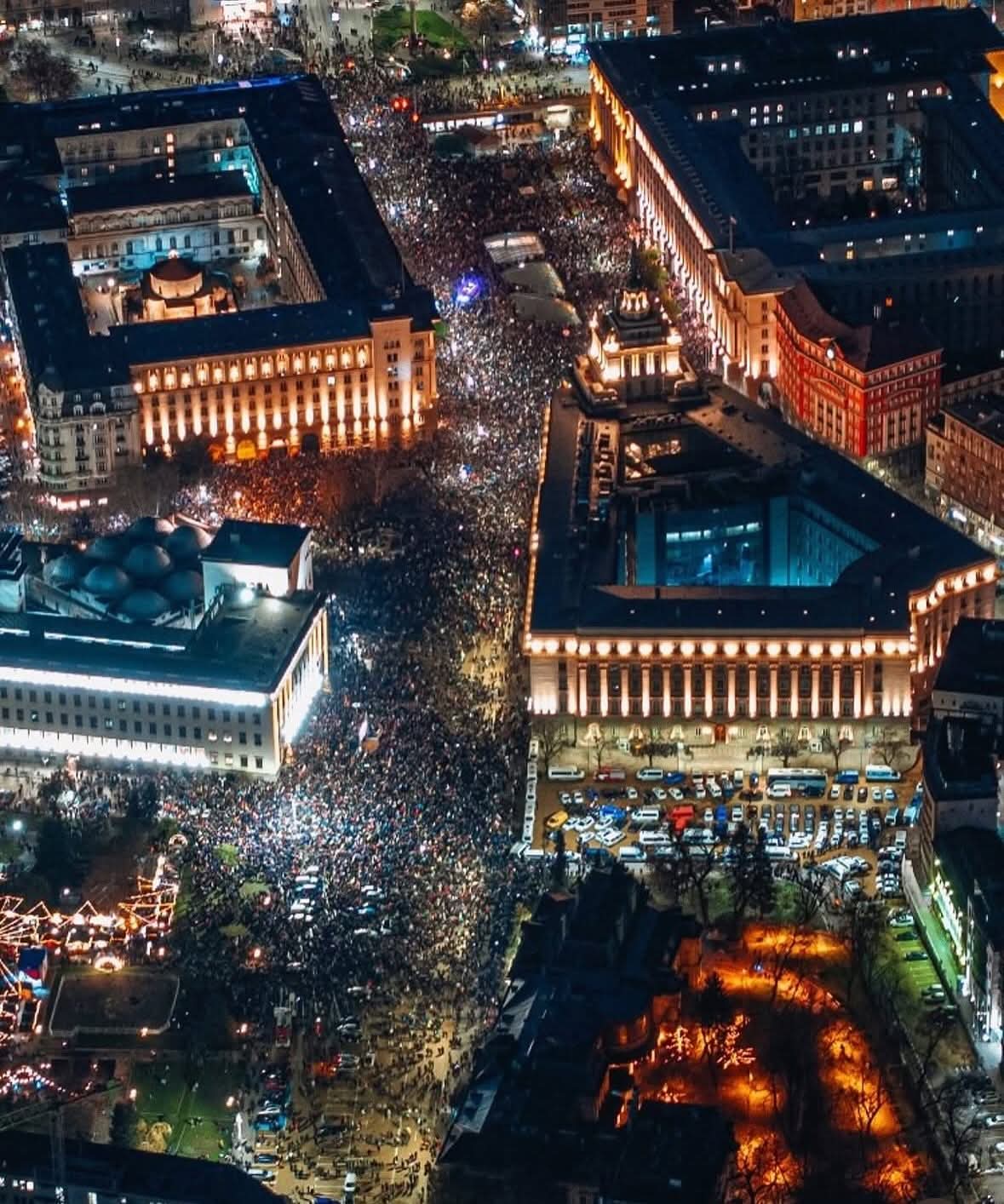
Public anger intensified in the final months of the year amid allegations of corruption, slow reforms and persistent economic hardship. Large demonstrations in Sofia and other cities culminated in the resignation of the government in late December, reopening the prospect of another election cycle and prolonging political uncertainty as Bulgaria heads into 2026.